Thailand is a long way from Canada. The one non-stop flight, from Vancouver, takes about 16 hours, and from the east the journey involves a connection. That distance favours long stays over short breaks, which puts the visa and the tax questions at the centre of the purchase. The ownership rules are the same as for every other foreigner.
Why Canadian buyers choose Thailand, and where
A foreigner can own a Thai condominium freehold, Canadians are eligible for every long-stay visa Thailand offers, including the 10-year O-X from age 50, and the two countries have had a tax convention since 1985. Canadian buyers were prominent in Phuket in the first half of 2026, alongside British, Russian, Indian and American buyers.
The places to consider:
- Phuket, for villas on lease and managed condominiums around Bang Tao, Kata and Karon and Rawai and Nai Harn.
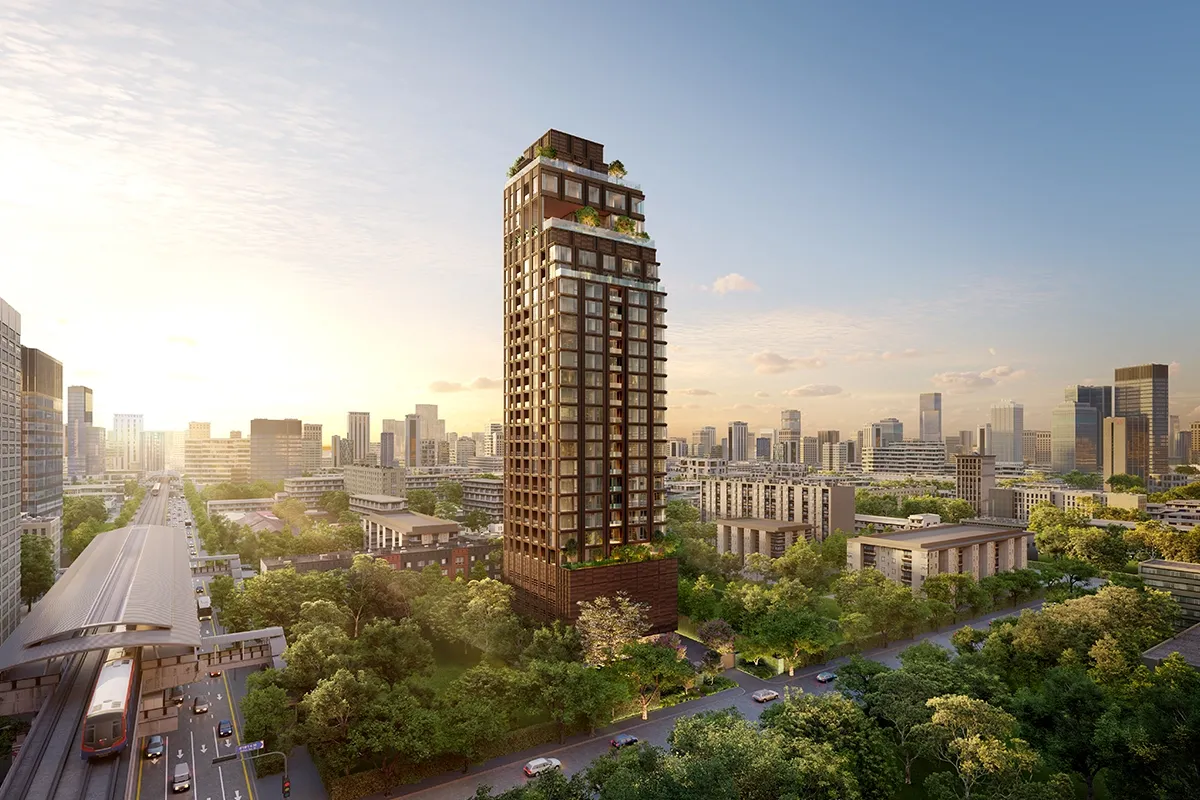
- Bangkok, where the Vancouver flight lands, for freehold condominiums along Sukhumvit.
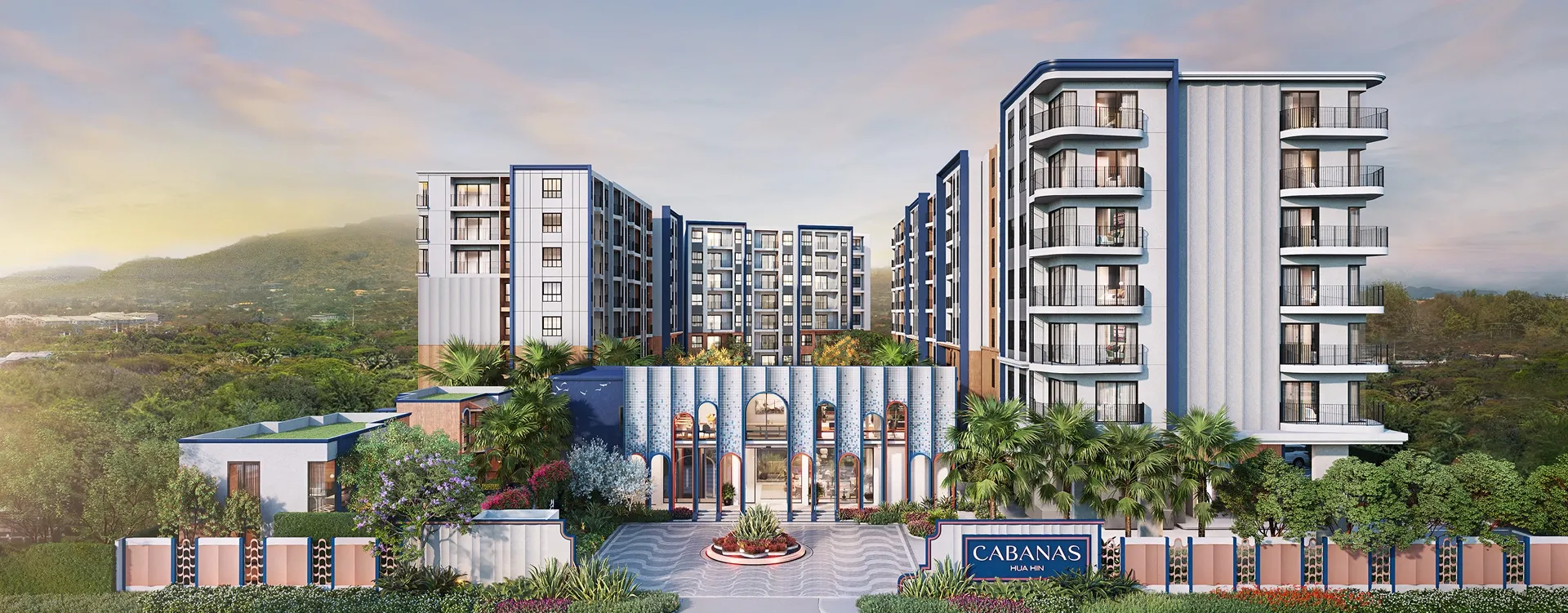
- Hua Hin, a Gulf resort town within driving distance of Bangkok, suited to long stays.
- Chiang Mai, in the north, for condominiums in a city setting away from the coast.
- Koh Samui, for hillside villas on lease.
The coasts and the north have different seasons, so read climate and seasons before deciding where to spend the Canadian winter. Our guide to where to buy in Thailand compares the areas.
What Canadian buyers can own in Thailand
- A condominium, freehold. A foreigner can own a unit outright, provided foreign ownership in the building stays within 49% of the total floor area of all units. See the condominium foreign quota.
- A villa, on lease. Under the Land Code a foreigner cannot acquire land directly. The land under a villa is held on a registered lease, which the Civil and Commercial Code limits to 30 years. Renewal clauses are contractual promises, not registered rights. See freehold vs leasehold.
- No nominee structures. Acquiring land as a representative of a foreigner is an offence under the Land Code, and the Department of Lands issued a circular on nominee holdings in May 2026. See Thai company ownership risks.
- Short lets need a licence. Lets of under 30 days need a hotel licence. See short-term rental rules.
Getting to Thailand: flights for Canadian buyers
Air Canada flies non-stop from Vancouver to Bangkok on Mondays, Wednesdays and Saturdays throughout the year, in about 16 hours. It is the only non-stop between the two countries.
From Vancouver, one-stop options run through Hong Kong, Taipei, Seoul, Tokyo and Manila. From Toronto, Qatar Airways, Emirates, Etihad, Turkish Airlines and Korean Air connect through their hubs, and Montreal has Qatar Airways and Emirates. Phuket, Koh Samui and Chiang Mai are a short domestic flight from Bangkok. See flights and getting around.
How long Canadian buyers can stay in Thailand
Canada is on Thailand's list of 60 countries and territories whose passport holders are admitted without a visa for 30 days. The stay fell from 60 days on 15 September 2026. One extension of up to 30 days is available at an immigration office for THB 1,900.
Buying property alone gives no right to stay. For a winter in Thailand you need a visa:
- The retirement visa from age 50. Canadian nationals are eligible for the 10-year O-X, which requires THB 3 million on deposit in Thailand, or THB 1.8 million plus annual income of THB 1.2 million.
- The Destination Thailand Visa: five years, multiple entry, for remote workers whose employer or clients are outside Thailand.
- Thailand Privilege: paid membership with no age test.
- The Long-Term Resident visa, where Thai property held in your own name can count toward the investment test.
Moving money to Thailand from abroad: Canadian buyers
A foreign buyer of a freehold condominium must bring the price into Thailand as foreign currency.
- Send Canadian or US dollars from your own account to the Thai account named in the contract. Do not let your bank convert to baht before sending.
- Give the purpose as the purchase of the specific unit.
- The Thai bank converts the funds and issues a Foreign Exchange Transaction Form for each transfer of USD 50,000 or more. Below that, it issues a certificate of the foreign currency purchase.
- The Land Office asks for these at registration.
Keep every form, because you will need them to repatriate the proceeds when you sell. Each off-plan instalment is exposed to the Canadian dollar's rate against the baht on the day it is sent. The procedure is in sending money to Thailand.
Canadian tax in outline
Two Canadian rules matter for a Thai property:
- Foreign tax credit. A resident of Canada who includes income from outside Canada on the Canadian return, and has paid tax on it to another country, can claim a federal foreign tax credit. A tax treaty can affect the claim.
- Form T1135. Only Canadian residents file it. Once the total cost of your specified foreign property exceeds CAD 100,000 at any time in the year, you must report it. Specified foreign property does not include personal-use property, and primarily means more than 50% of the time. A property rented out for profit 75% of the time, for example, is not personal-use property. A simplified method applies where the total cost stays below CAD 250,000 throughout the year, and penalties apply for late filing.
Thailand taxes first. Rent paid from Thailand to a non-resident owner has 15% withheld. Anyone who spends 180 days or more in Thailand in a calendar year becomes a Thai tax resident, and a resident's foreign income earned from 2024 onwards is taxable when brought into Thailand. The Canada and Thailand convention was signed on 11 April 1984 and has been in force since 16 July 1985.
How a gain on sale is computed in Canadian dollars, and what happens if you cease to be resident in Canada, are questions for a Canadian tax adviser with cross-border experience. Our guide to rental income and tax covers the Thai side.
A buying checklist for Canadian buyers
- Decide how you will use the property: your own winters, letting, or both. It changes the T1135 answer.
- Decide between a freehold condominium and a leasehold villa.
- Appoint an independent Thai lawyer and commission title and due diligence checks.
- For a condominium, obtain written confirmation that the unit is within the foreign quota.
- Send dollars in your own name and keep the bank forms.
- Budget for property taxes and buying costs.
- Settle your visa route, check your provincial health coverage for long absences, and take Canadian tax advice before completion.
The price and the title
The contract
Advanced: appraised value
The Land Department's appraised value is usually below the agreed price, and the transfer fee is charged on it. Ask the developer or your lawyer for the figure. 80% is a working assumption, not a rule.
The home and your own costs
Total cost of buying
฿216,000
An estimate: 1.4% of the agreed price, paid on top of it.
- Transfer fee2% of the registered value, shared equally with the seller
- ฿120,000
- Sinking fundOne-off, 600 THB per sqm
- ฿36,000
- Legal review and due diligenceIndependent lawyer, contract and title review
- ฿60,000
- Price plus costs
- ฿15,216,000
In short
Plan for ฿15,216,000 in all: the price, plus 1.4% in buying costs.
Rates reviewed on 12 November 2026. Seller-side taxes (specific business tax and withholding tax) are normally the seller’s cost, but developers sometimes pass costs on by contract, so read the payment terms. This is an estimate, not a quotation.
Send me this breakdown
Your figures by email, and an adviser to check them against the contract of a real development.