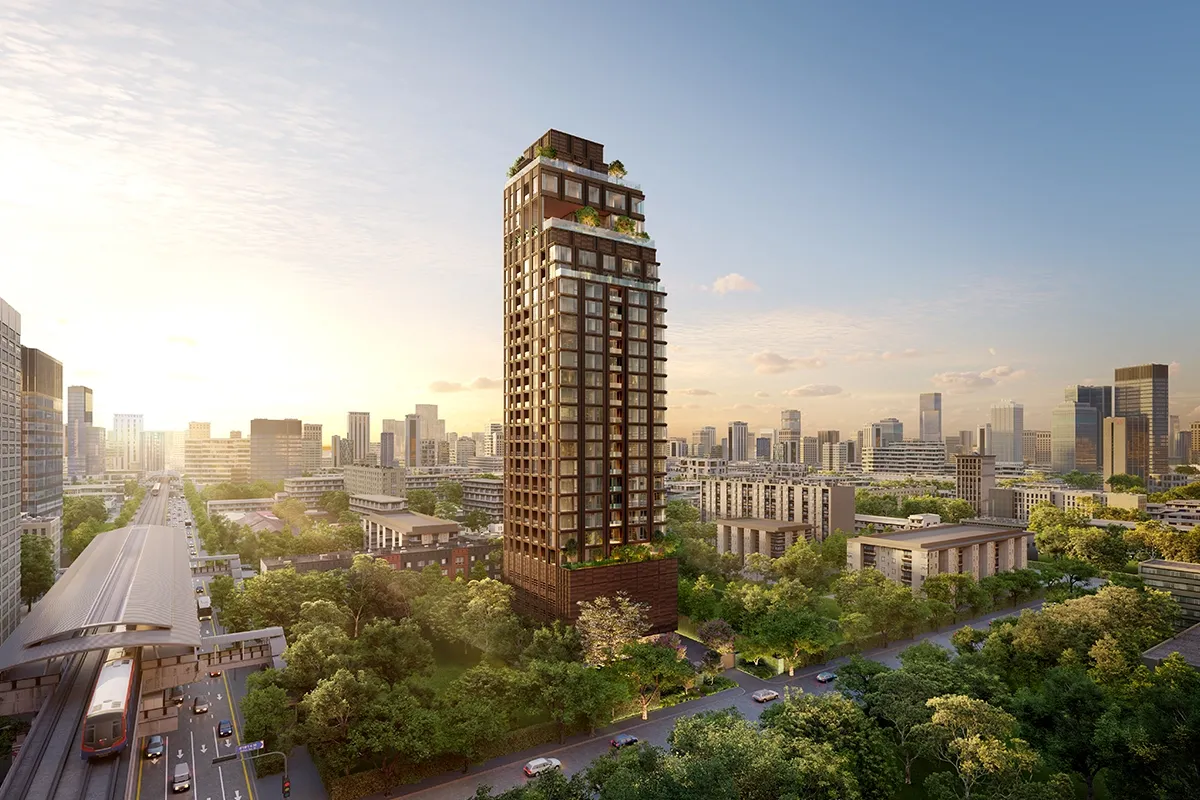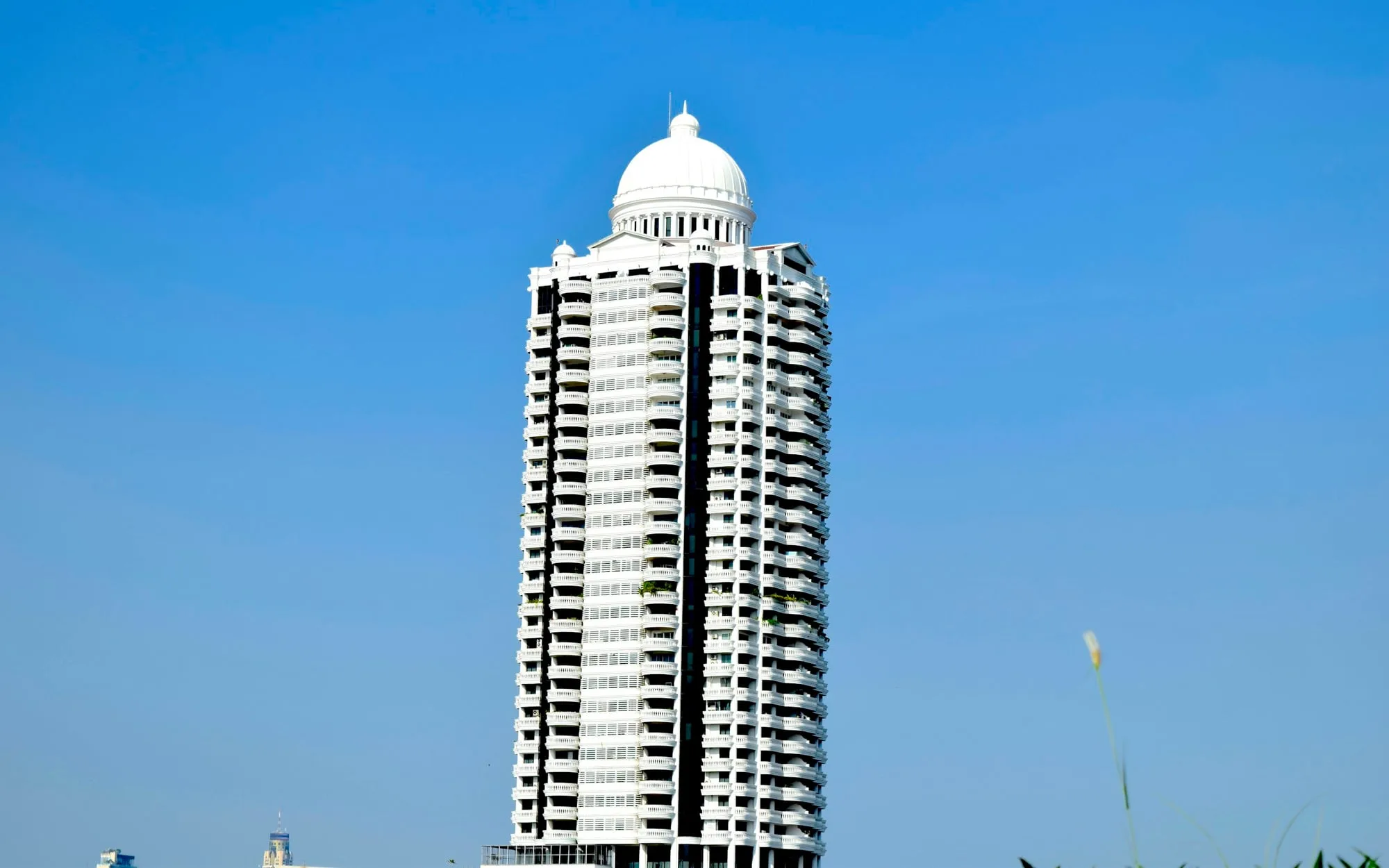
A foreigner can buy and own a condominium unit in Thailand outright, in their own name, with a title deed issued by the Land Office. A foreigner cannot own land. Everything else in Thai property law for overseas buyers follows from those two sentences: villas and houses are bought through a lease or another registered right over the land, and any arrangement that pretends otherwise carries legal risk.
What you can and cannot own
| Asset | Can a foreigner own it? | How it works |
|---|---|---|
| Condominium unit | Yes, freehold | Within the building's 49% foreign quota, with funds remitted from abroad |
| Land | No | Land Code prohibition, with narrow exceptions that rarely fit a private buyer |
| House or villa building | Yes, separately from the land | Building owned by the buyer on land held under a registered right |
| Right to use land | Yes | Registered lease of up to 30 years, superficies or usufruct |
| Land through a company with nominee shareholders | No | Illegal under the Land Code and the Foreign Business Act |
Condominiums: freehold in your own name
The Condominium Act B.E. 2522 (1979) lets foreigners own units in a registered condominium. Two conditions matter.
The first is the quota. Section 19 bis caps foreign ownership at 49% of the total floor area of all units in the condominium. The test is floor area, not the number of units, and it is applied building by building when the transfer is registered. If the quota is full, the Land Office will not register a new foreign freehold owner. Our guide to the condominium foreign quota explains how to check it.
The second is the money. Most overseas buyers qualify under Section 19(5), which requires the purchase price to be brought into Thailand as foreign currency. The receiving Thai bank converts it to baht and issues a Foreign Exchange Transaction Form for each transfer of USD 50,000 or more, or written bank evidence for smaller amounts. The Land Office asks for that evidence on the day of transfer. Read sending money to Thailand before you make the first payment, because a transfer sent the wrong way is hard to repair.
Foreigners with Thai permanent residence, and those admitted under investment promotion law, qualify under other limbs of Section 19.
What you receive is a unit title deed in your name, a share of the common property and a vote in the juristic person that runs the building. You can sell, let, mortgage or bequeath the unit, although foreign heirs have their own rules, covered in inheritance and wills.
Land: no, with narrow exceptions
Section 86 of the Land Code allows a foreigner to acquire land only under a treaty, and no such treaty is in force. A company counts as foreign for this purpose if foreigners hold more than 49% of its capital or make up more than half of its shareholders.
Exceptions exist but seldom fit a private buyer. Section 96 bis allows up to one rai (1,600 sqm) of residential land for a foreigner who invests at least THB 40 million in approved assets and obtains ministerial approval. Companies promoted by the Board of Investment can be permitted to own land for their promoted business, and the BOI withdrew that privilege from foreign-majority companies in several manufacturing categories from September 2025. Neither route is designed for buying a holiday villa.
The lawful routes to a villa
Thai law treats the building and the land as separable. A foreigner may own the structure while holding a registered right over the land beneath it. A properly structured villa purchase uses one or more of the following.
- A registered lease. The Civil and Commercial Code caps a lease of immovable property at 30 years. A lease of more than three years must be registered at the Land Office to be enforceable beyond three years. This is the standard structure for villas in Phuket and Koh Samui.
- Ownership of the building. The villa itself is transferred to, or built in the name of, the buyer, so that the buyer holds more than a tenancy.
- Superficies. A registered right to own buildings on another person's land, for a fixed period or for the life of the landowner or the holder. It is often registered alongside the lease.
- Usufruct. A registered right to possess and use property, for a term or for life. It ends on the holder's death, so it suits lifetime occupation better than investment.
Renewal clauses deserve particular care. A promise to renew a lease for a further 30 years is a contractual promise by the landowner, not a registered right. In decision 4655/2566, made public in 2025, the Supreme Court held pre-agreed renewals void where they were used to get round the 30-year limit. Price a leasehold villa on the registered term. Freehold vs leasehold and buying a villa in Thailand set out the detail.
What are you buying?
What is it for?
How will you hold it?
How long do you expect to hold?
Likely structure
Your answers decide what appears here.
Answer any of the four questions, in any order. This sheet then sets out the ownership structure that usually fits, what it means in practice, the points to take care over and the guides to read next.
What you will see
- What a foreign buyer can and cannot own
- How the structure changes with a spouse or a company
- What your purpose and holding period add
General guidance, not legal advice. Take independent legal advice before you commit.
What is not lawful
Using a Thai company with nominee shareholders to hold land is illegal. The Land Code punishes both the foreigner and the person holding on the foreigner's behalf with up to two years in prison, a fine of up to THB 20,000, or both, and the land must be disposed of within a period set by the authorities. The Foreign Business Act adds up to three years in prison and a fine of THB 100,000 to THB 1 million for nominee shareholding.
Enforcement tightened in 2026. A Department of Lands circular of 15 May 2026 told Land Offices to examine the source of funds of Thai buyers and Thai shareholders on larger transactions, and to review companies with foreign shareholders or directors every month. A Ministry of Interior circular of 25 August 2026 added police to the provincial investigation committees and set two tracks: forced disposal of the land, and criminal prosecution. Read Thai company ownership risks before anyone proposes a company structure to you.
Putting land in the name of a Thai spouse or friend gives you no ownership at all, and side agreements designed to reverse that position invite the same nominee analysis.
Proposed reforms: where they stand
In June 2024 the government asked the Ministry of Interior to work on extending leases to 99 years and raising the condominium quota to 75%. Neither proposal has been enacted. In September 2025 the new government set the 99-year plan aside, and in November 2026 the law remains 30 years and 49%. Treat sales material that prices in a longer term or a higher quota as speculation.
What ownership does not give you
Buying property does not by itself give a right to live in Thailand. Residence depends on a visa such as the Long-Term Resident visa, Thailand Privilege or a retirement visa. Ownership also does not give a right to let by the night: stays of under 30 days generally need a hotel licence, as our guide to short-term rental rules explains.
How to proceed
Decide first between a condominium and a house, because that choice fixes the legal structure. Appoint an independent Thai lawyer who is not paid by the seller, have the title searched (see title deeds and due diligence), and budget for the fees set out in property taxes and buying costs. Thai property law has grey areas, particularly around lease renewals and company structures. Where the structure matters, take independent legal advice before you pay a deposit.