Rawai and Nai Harn are where to look if you plan to live in Phuket for months at a time and want more house for the money. Rawai is the expatriates' favourite and one of the island's strongest rental areas. Condominium asking prices run from about THB 105,000 to 130,000 per sqm, and the median asking price of a villa in Rawai was THB 17.3 million in June 2026. The airport is an hour away, which is why this is a residents' district and not a weekend one.
What it is like to live in Rawai and Nai Harn
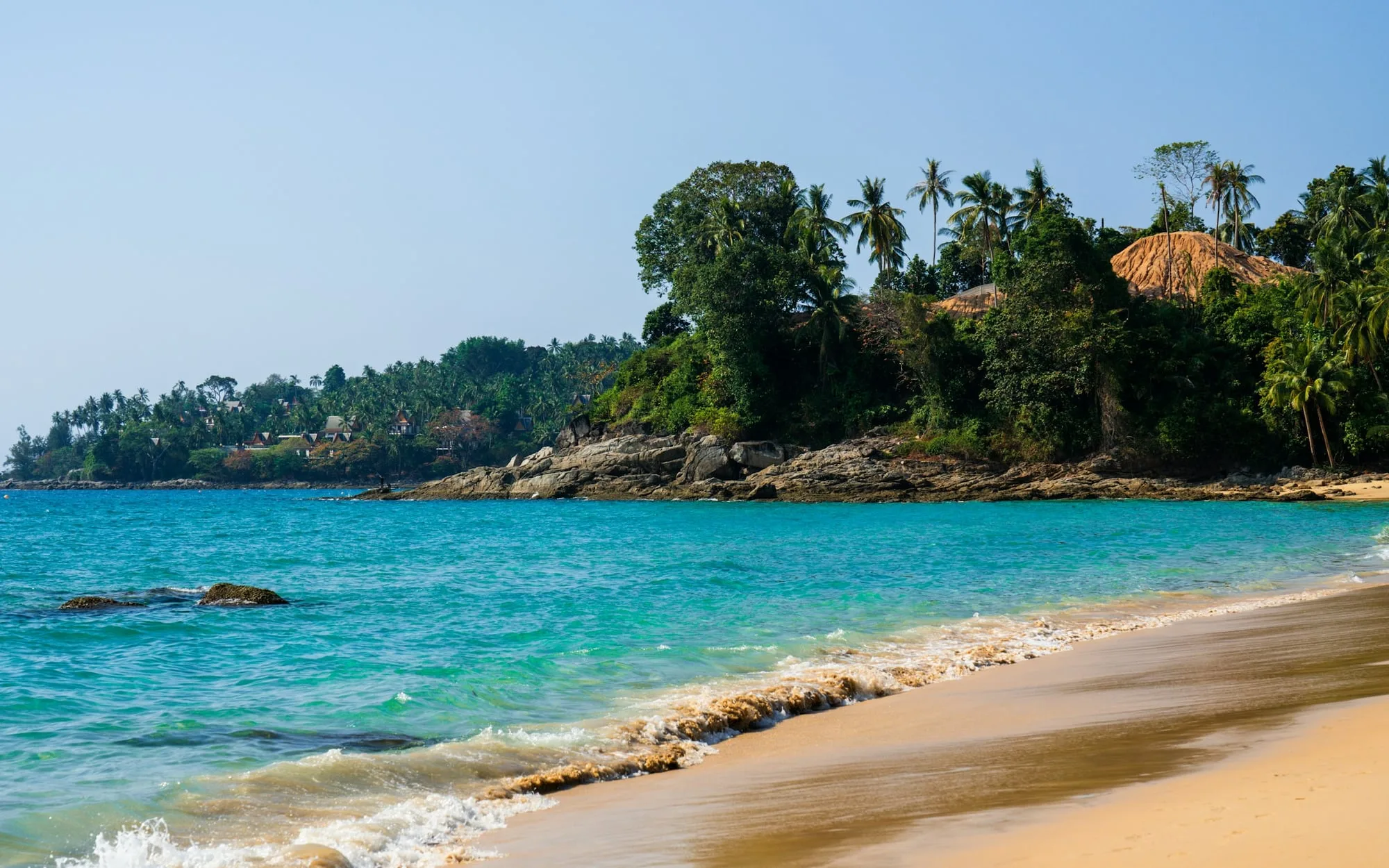
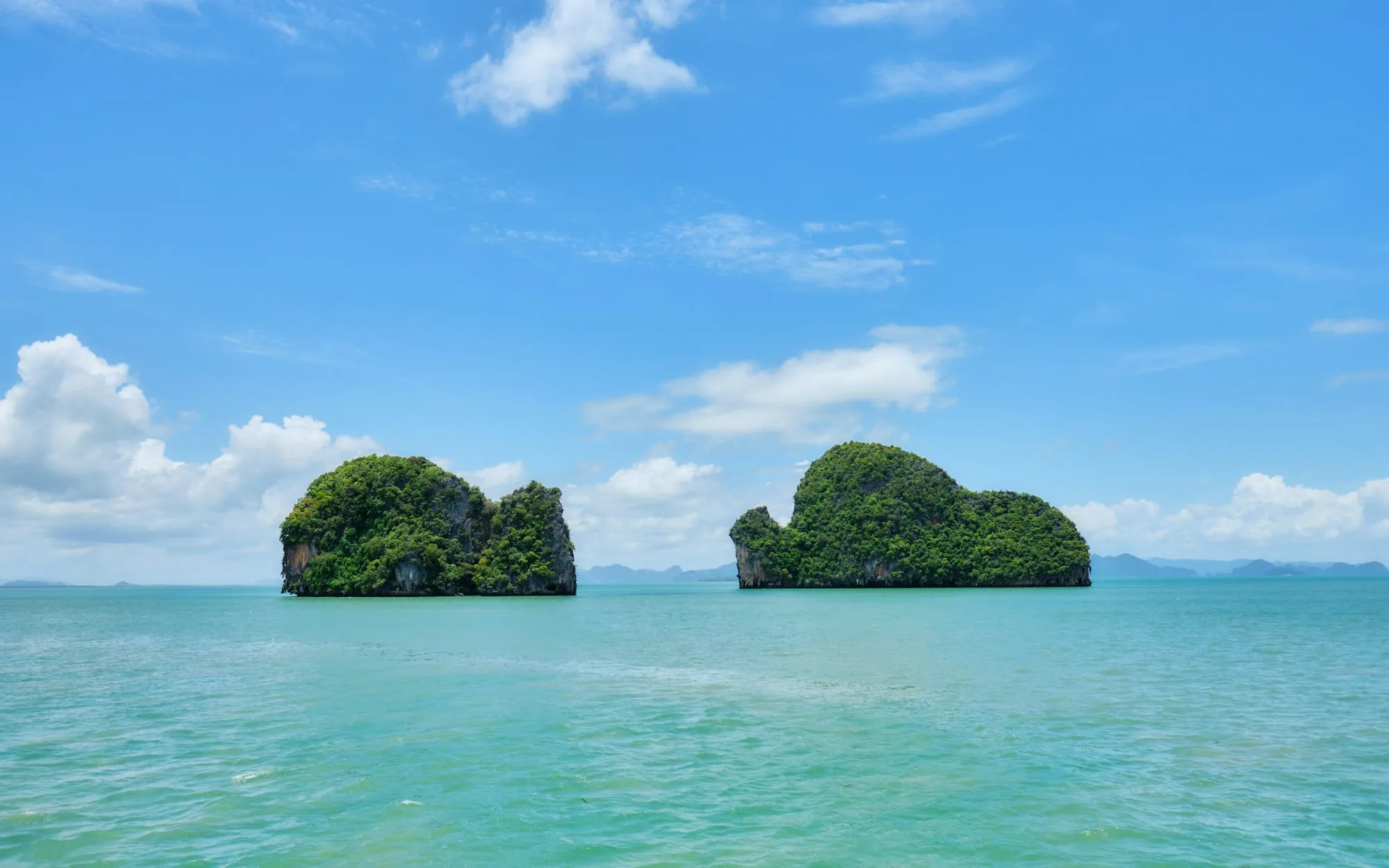
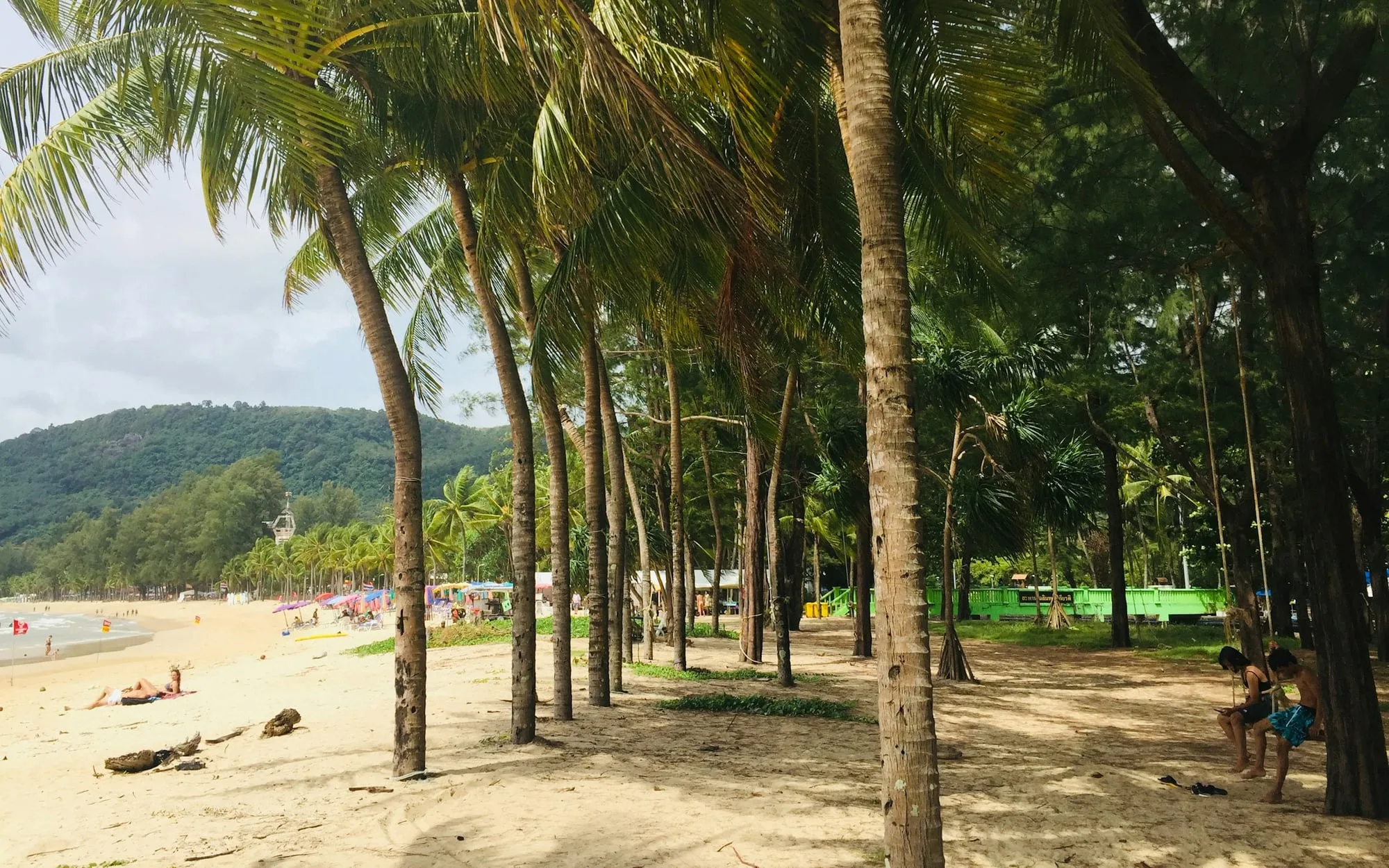
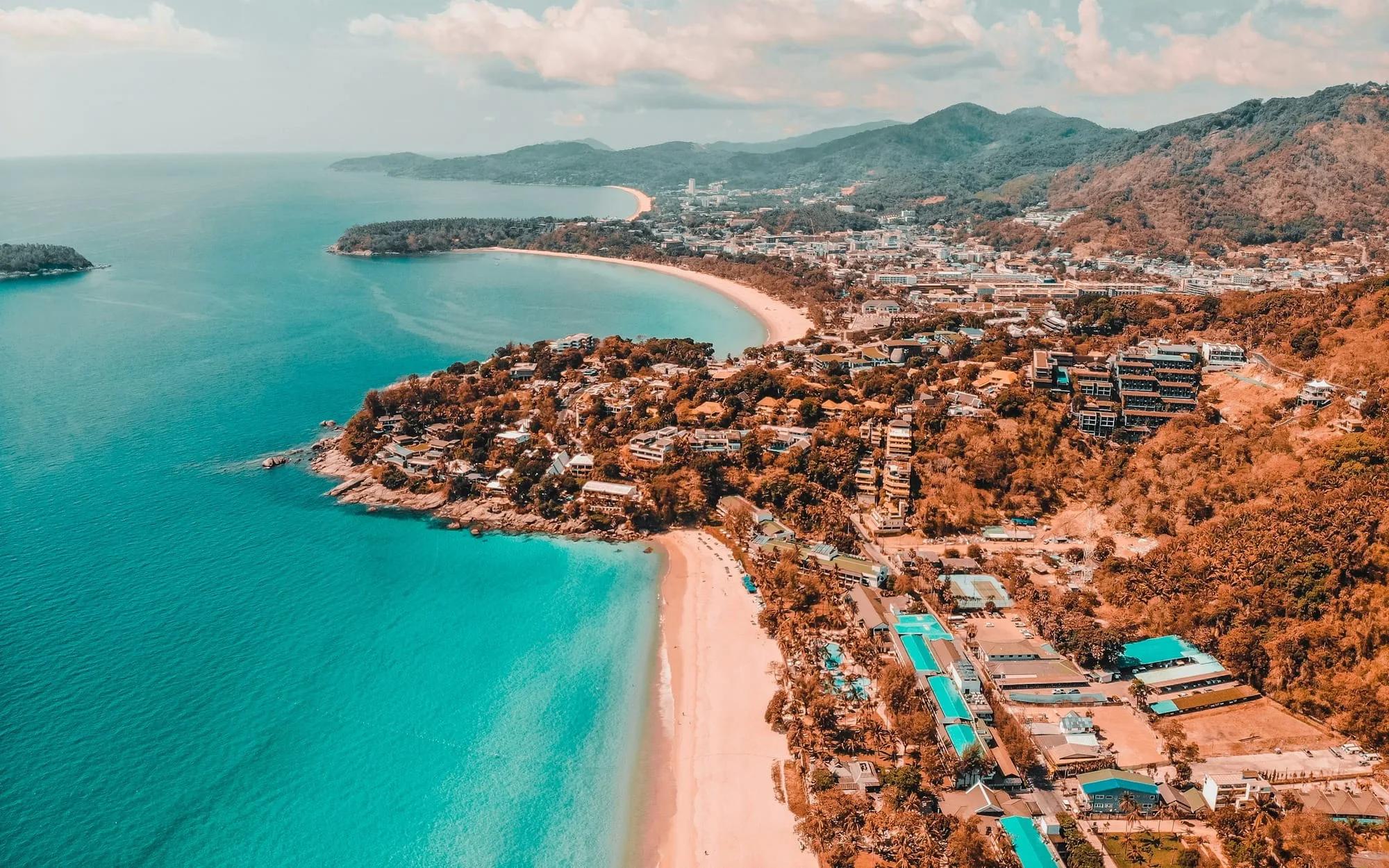
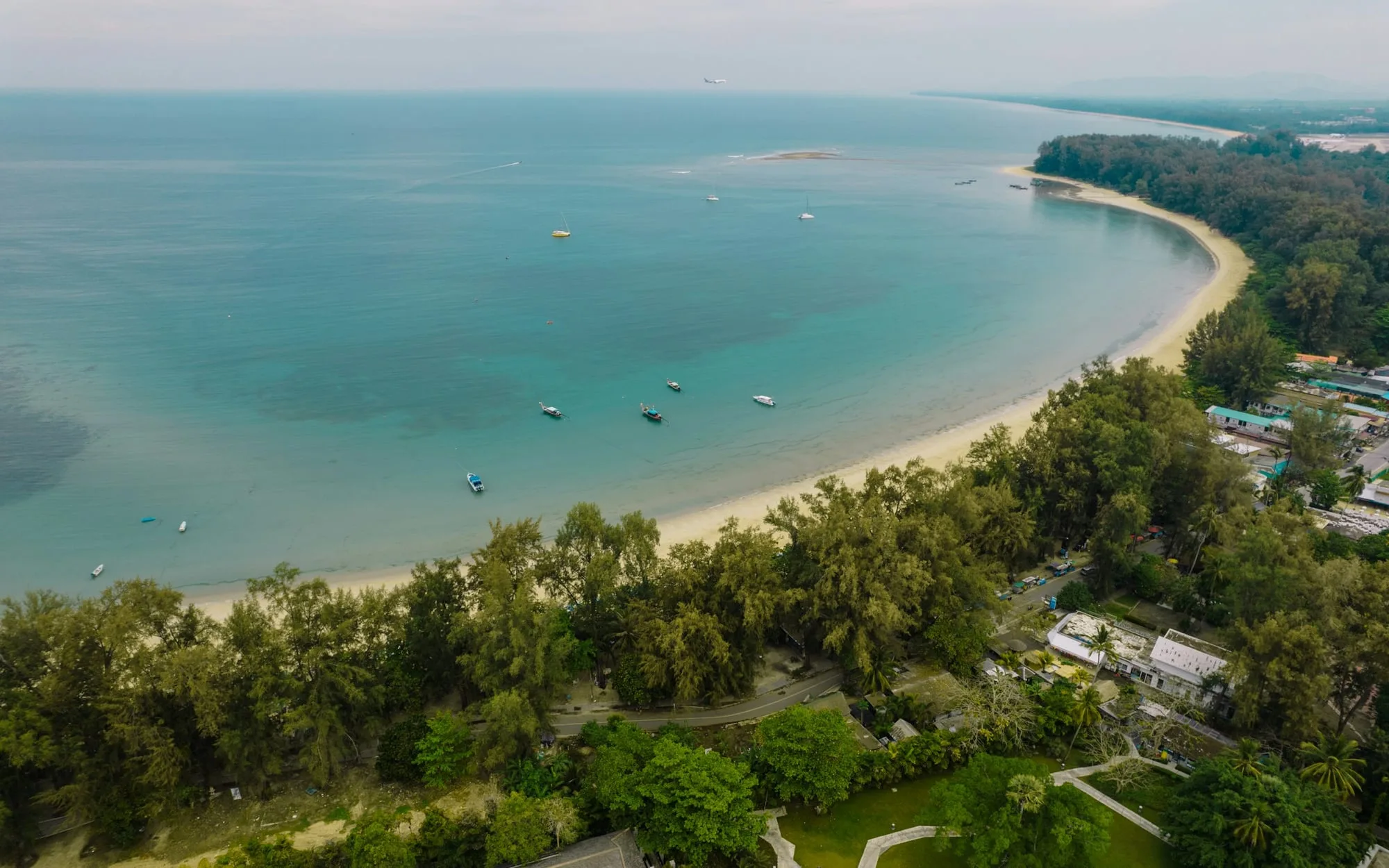
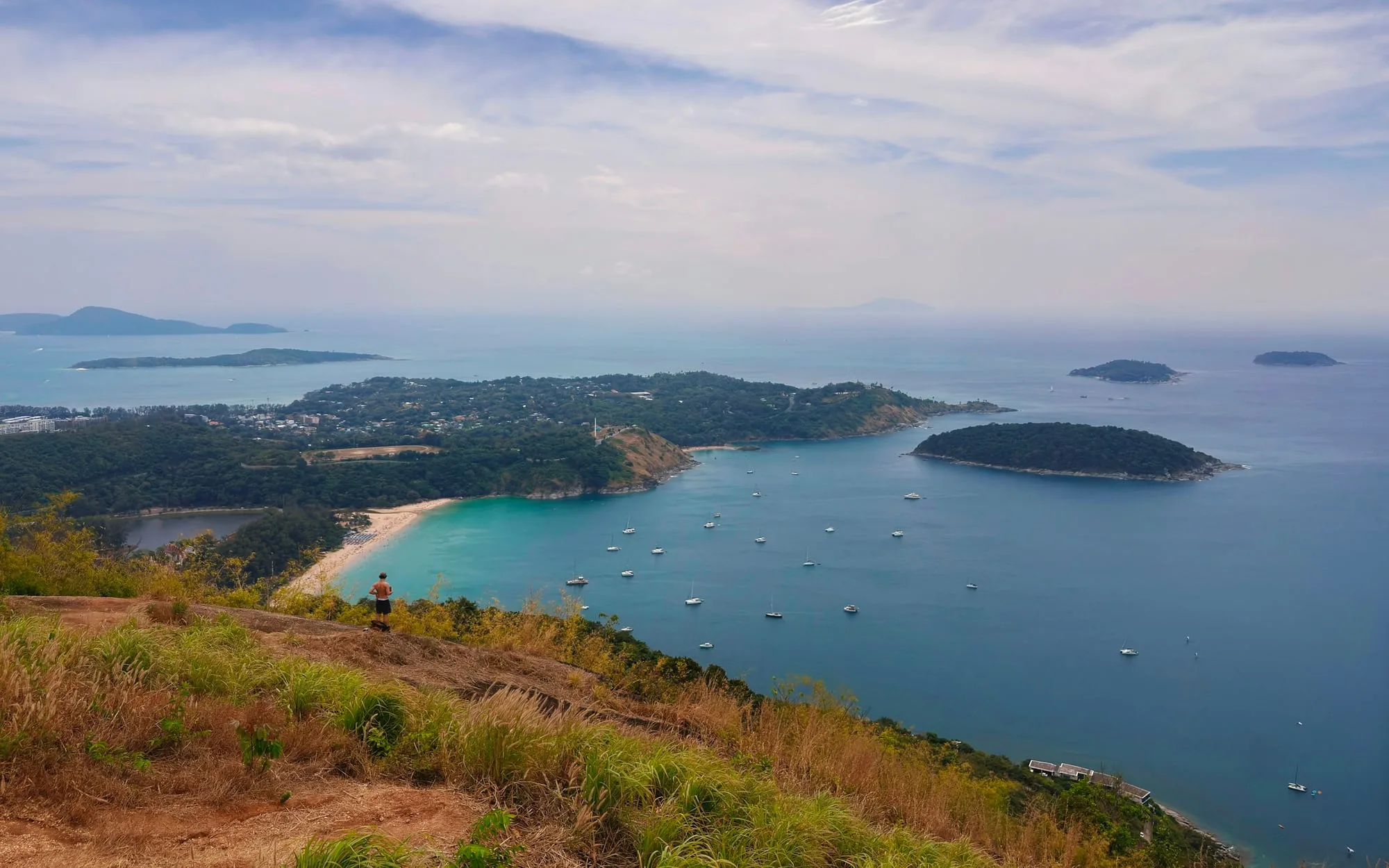
The district covers the southern tip of the island. Nai Harn is a sheltered sandy bay with a lake and a temple behind it. Rawai, on the south-east side, is a long seafront lined with seafood restaurants where longtail boats leave for the nearby islands. Promthep Cape and the small beach at Ya Nui sit between the two.
The feel is residential. Shops, clinics, gyms, fitness camps and cafes stay open all year because their customers live here, and supermarket chains have expanded in Rawai to serve them. Chalong, just north, adds the main pier for dive and island boats and a government hospital.
Property in Rawai and Nai Harn and what it costs
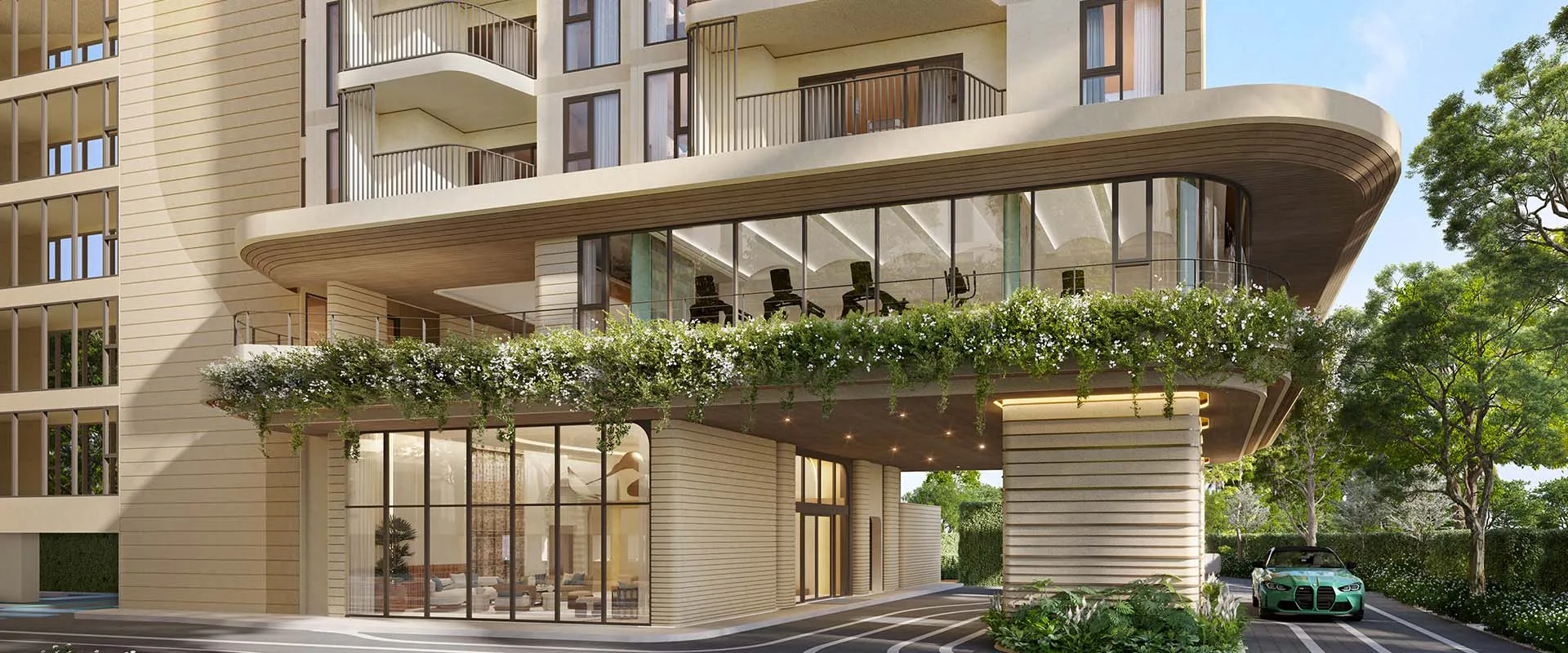
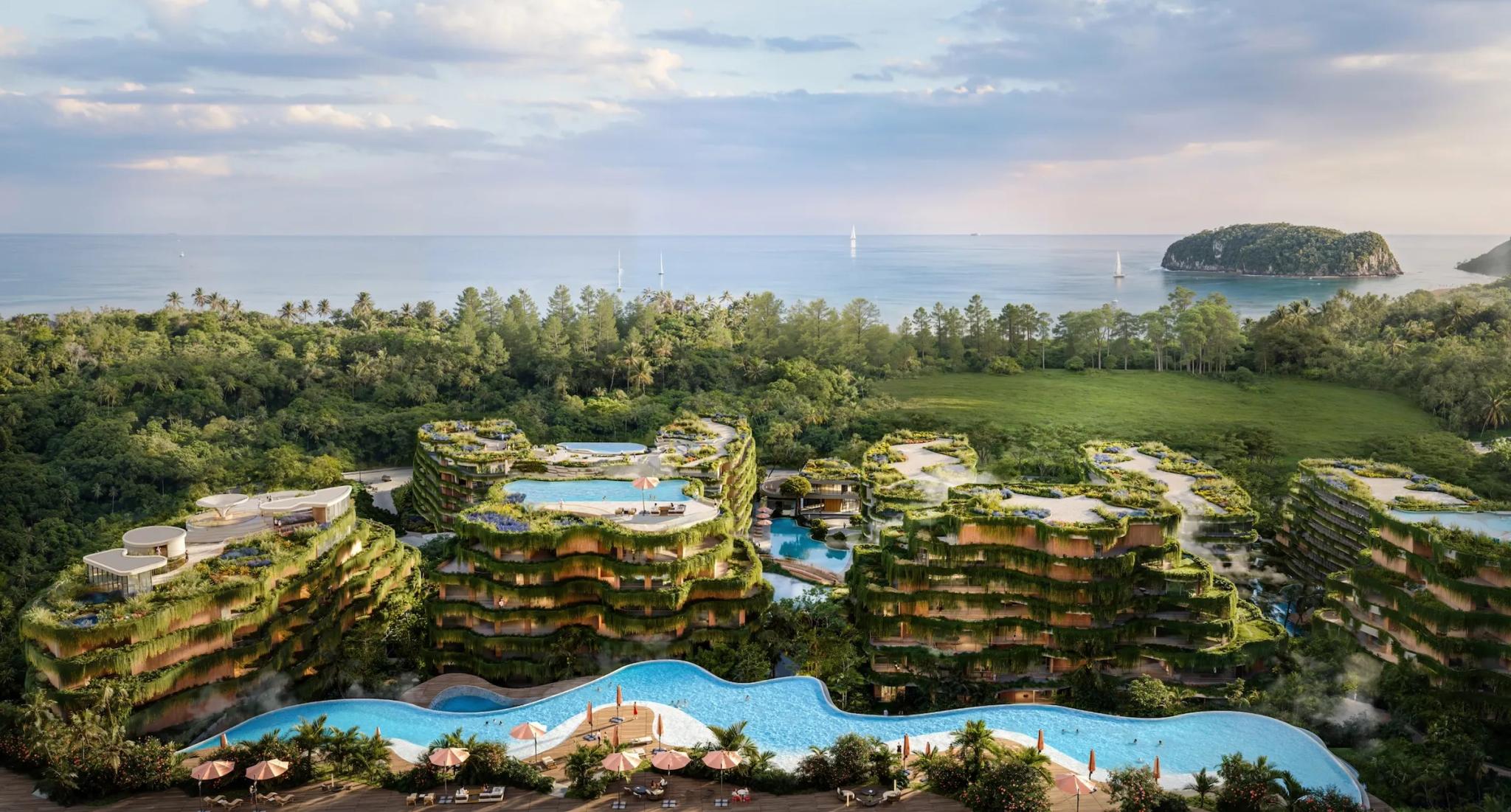
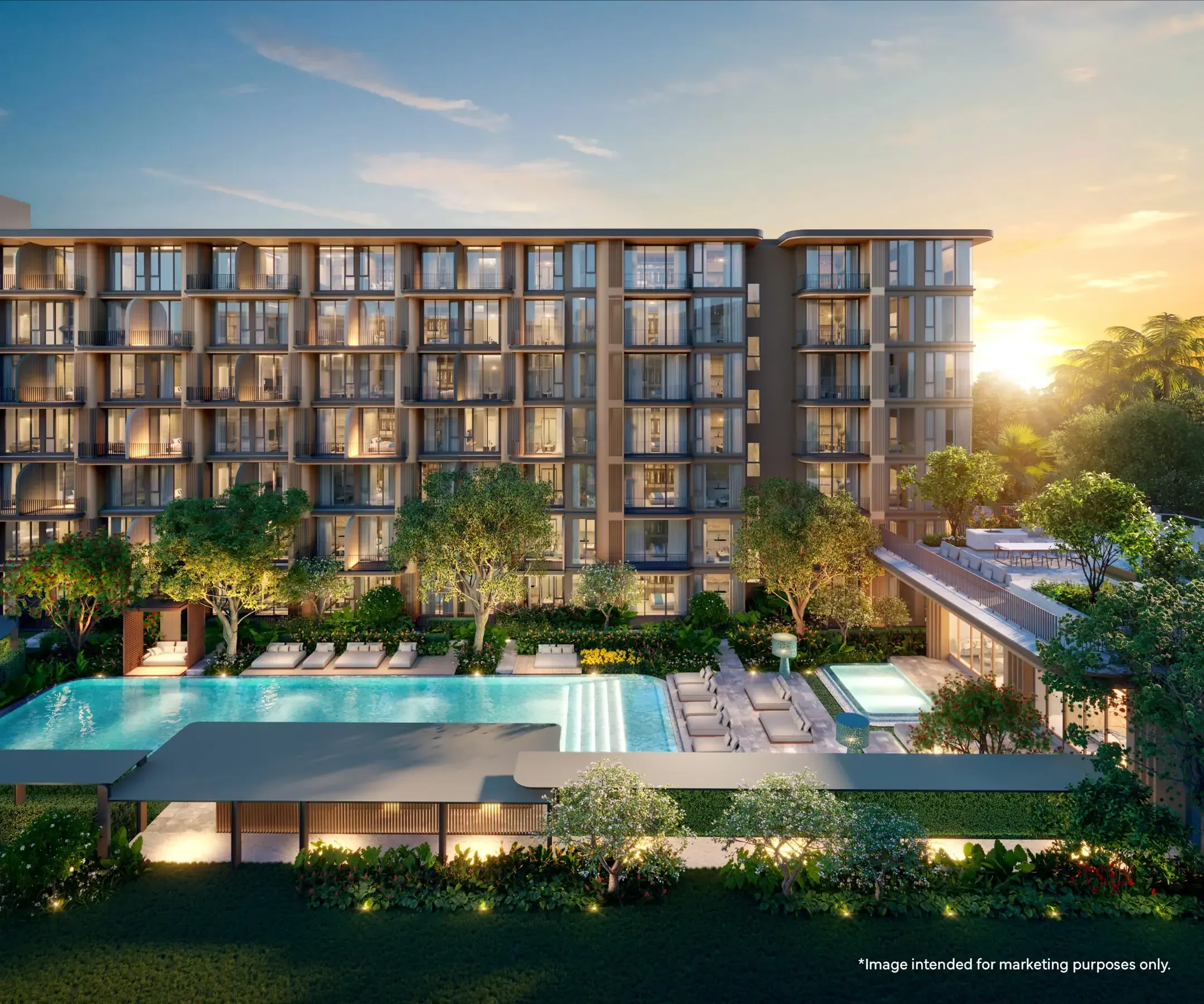
Low-rise pool villas in small estates make up most of the stock, with a growing number of mid-priced condominiums. Rawai took 15.6% of Phuket's new condominium launches in 2025.
Expect to pay THB 105,000 to 130,000 per sqm for a condominium. The median asking price in Nai Harn was about THB 105,000 in June 2026, and the Rawai median was THB 130,000 in July 2026. Rawai's median asking price in June, about THB 117,000, falls between them.
Villas cost about THB 68,000 to 85,000 per sqm of built area, the median asking prices for Rawai and Nai Harn, in line with the island-wide villa median of THB 70,000. These are asking prices, not sales, so negotiate from them.
Foreigners can own the condominiums freehold within quota. Villas are leasehold. Some older villas were bought through Thai companies, so on a resale ask exactly what you are acquiring: a lease, or shares in a company that holds land. The second carries legal risk explained in Thai company ownership risks. Start with freehold versus leasehold and the ownership navigator, and take independent legal advice.
Rental demand in Rawai and Nai Harn
Tenants are long-stay: winter residents, remote workers and families on yearly leases. Rawai draws more rental enquiries than anywhere on the island except Cherngtalay.
Longer lets avoid the hotel-licence problem that affects nightly letting, and they smooth the low season. See rental income and tax and model your figures in the rental yield calculator.
Getting to and around Rawai and Nai Harn
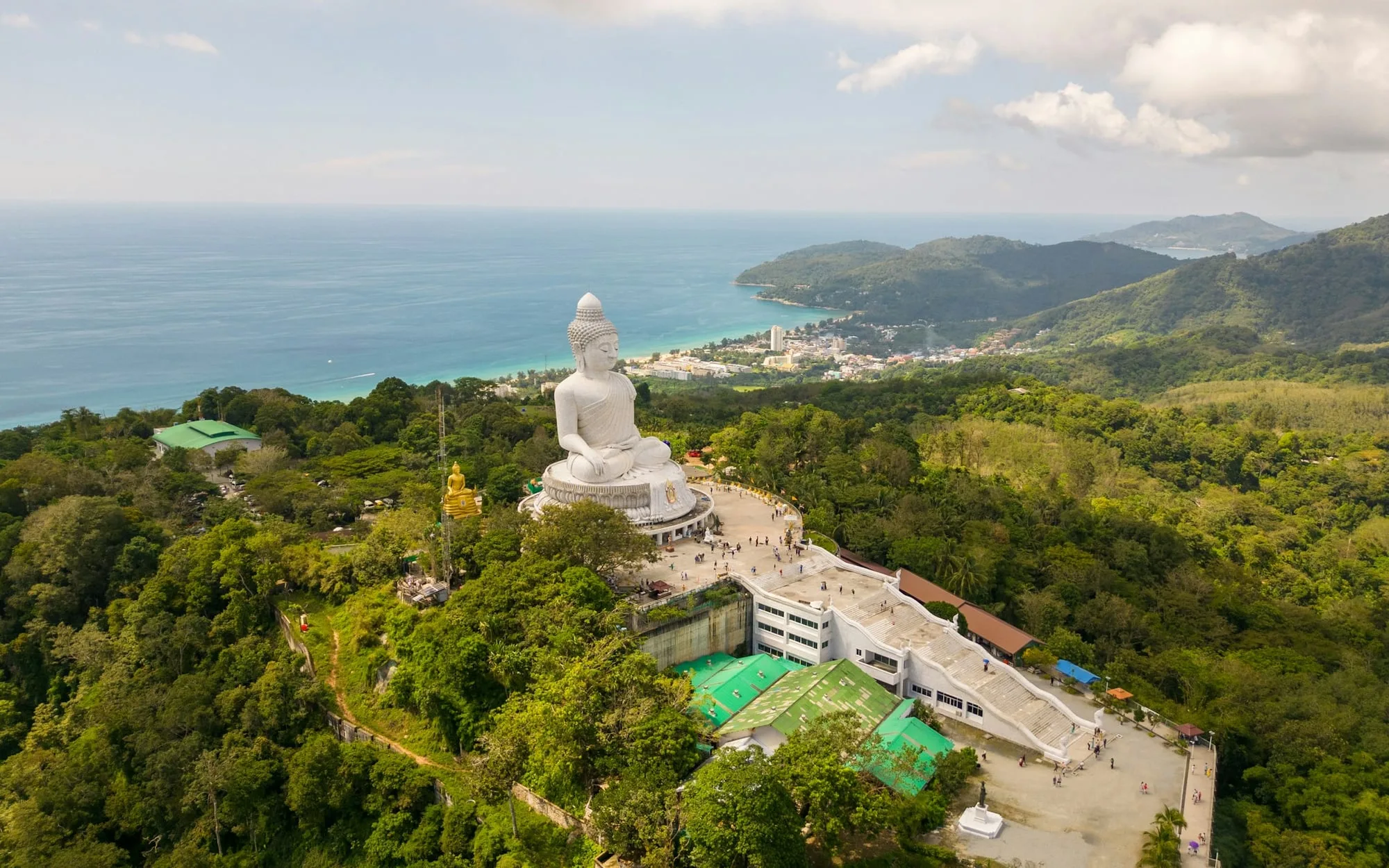
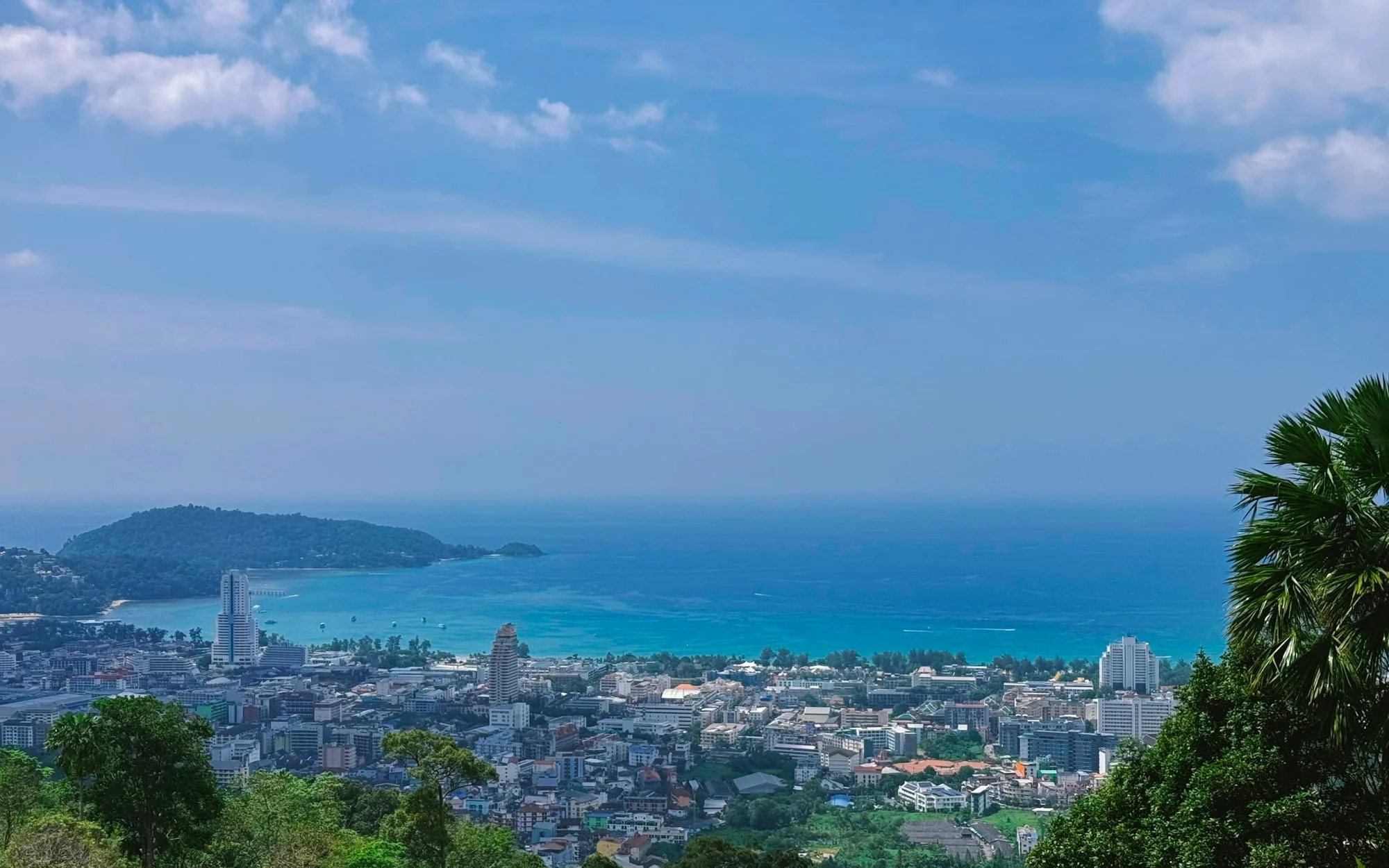
The airport is about 60 minutes by car, and Phuket Town, where the private hospitals and larger malls are, about 20. Kata and Karon are the next district up the west coast. Most residents drive or ride a scooter. Cost of living covers day-to-day spending.
What to watch for in Rawai and Nai Harn
Distance first. If children will attend one of the larger international schools in the centre or north, test the school run before choosing a house.
Then structure. Ask a lawyer to trace how a resale villa is held and whether the lease is registered at the Land Department: see title deeds and due diligence.
Finally the sea. Nai Harn is a fine swimming beach in the dry season and a dangerous one in monsoon surf. See climate and seasons.