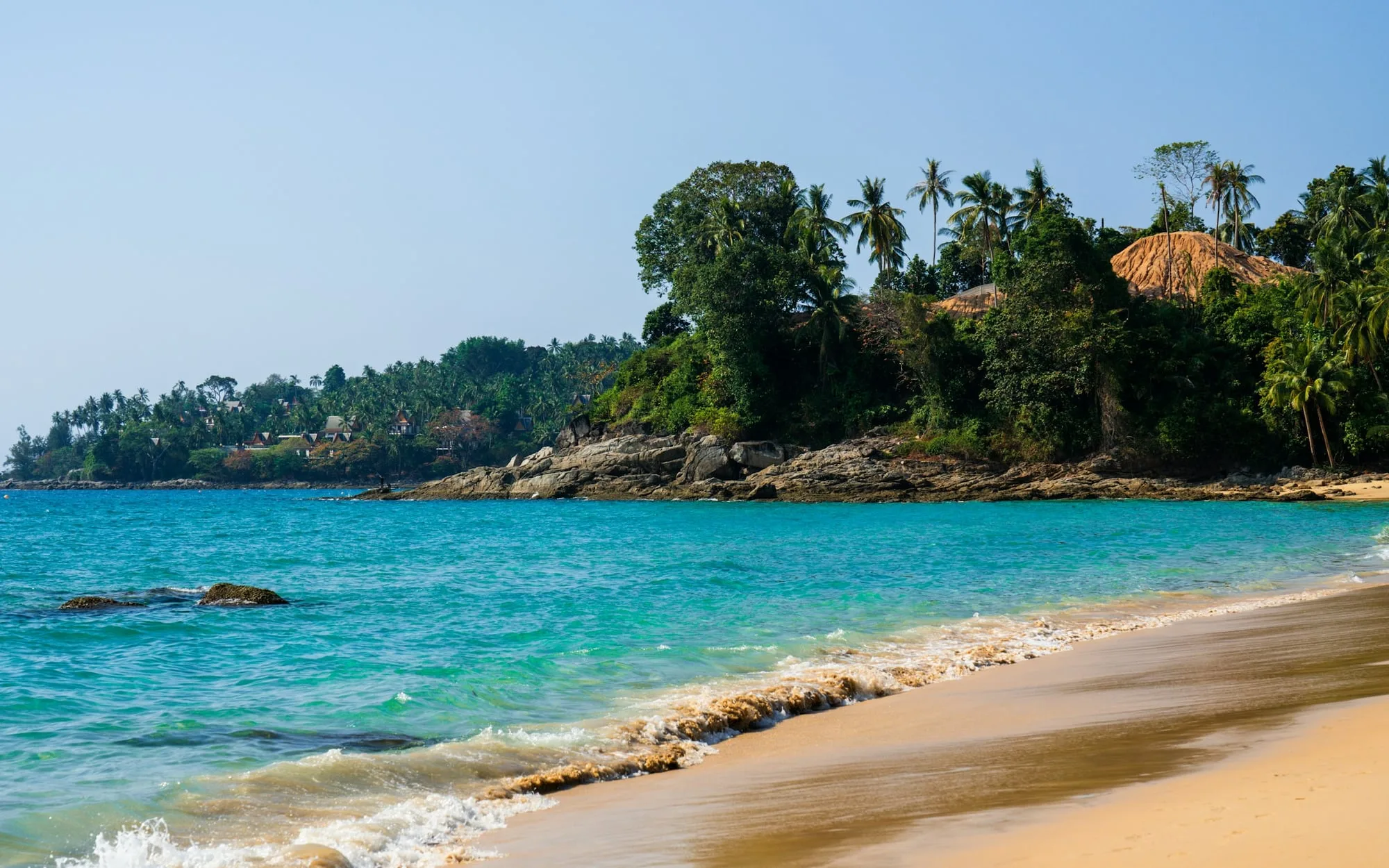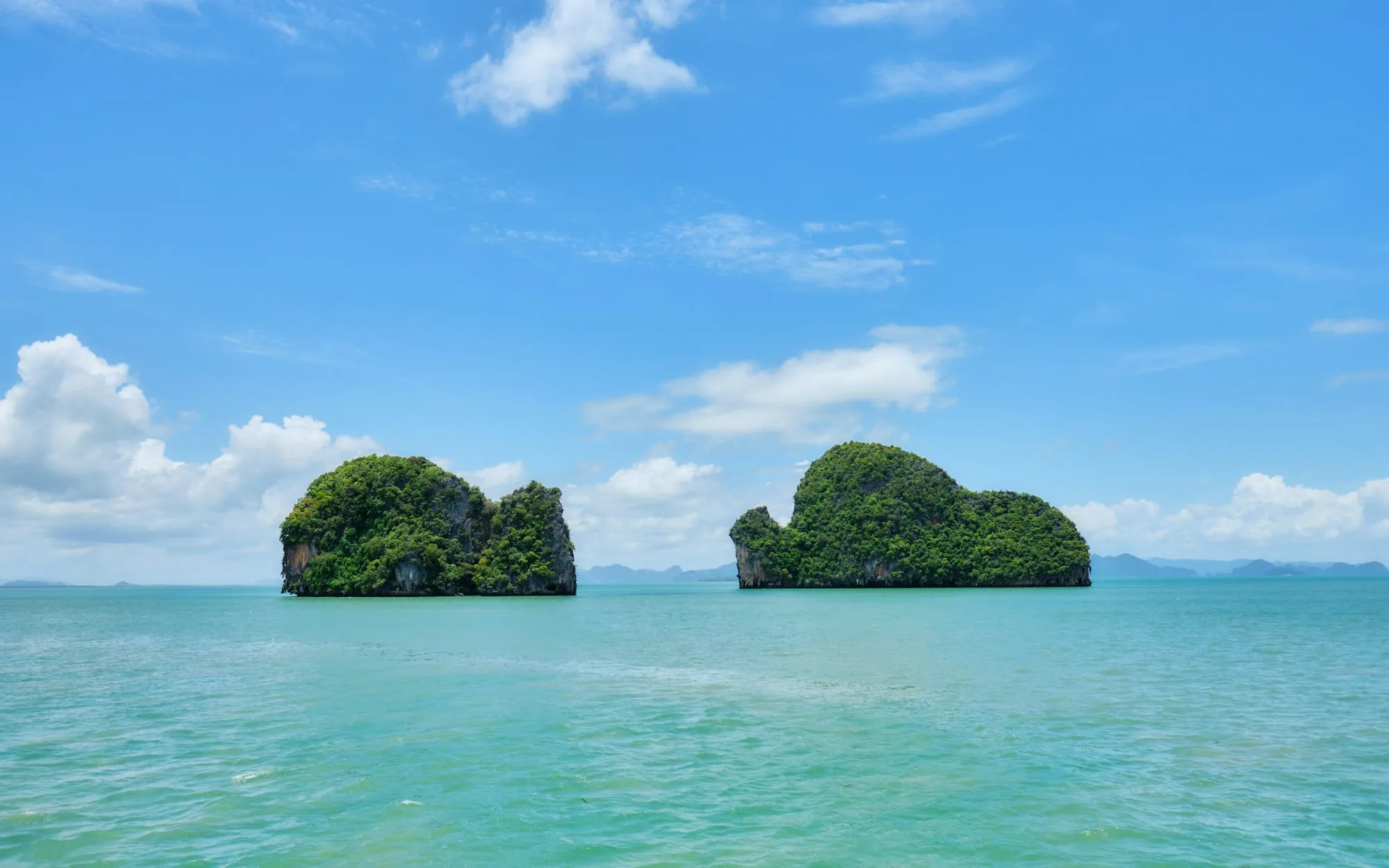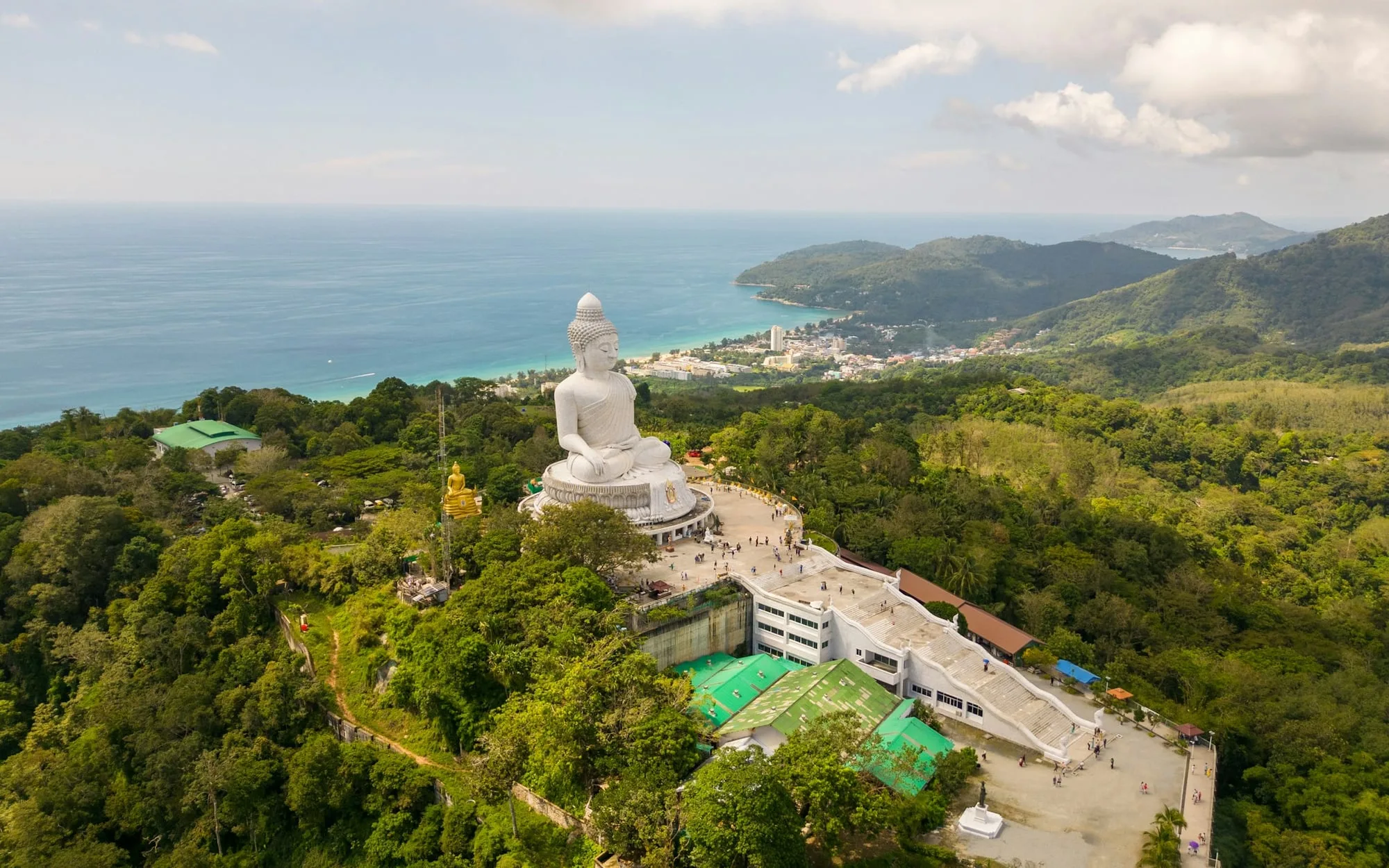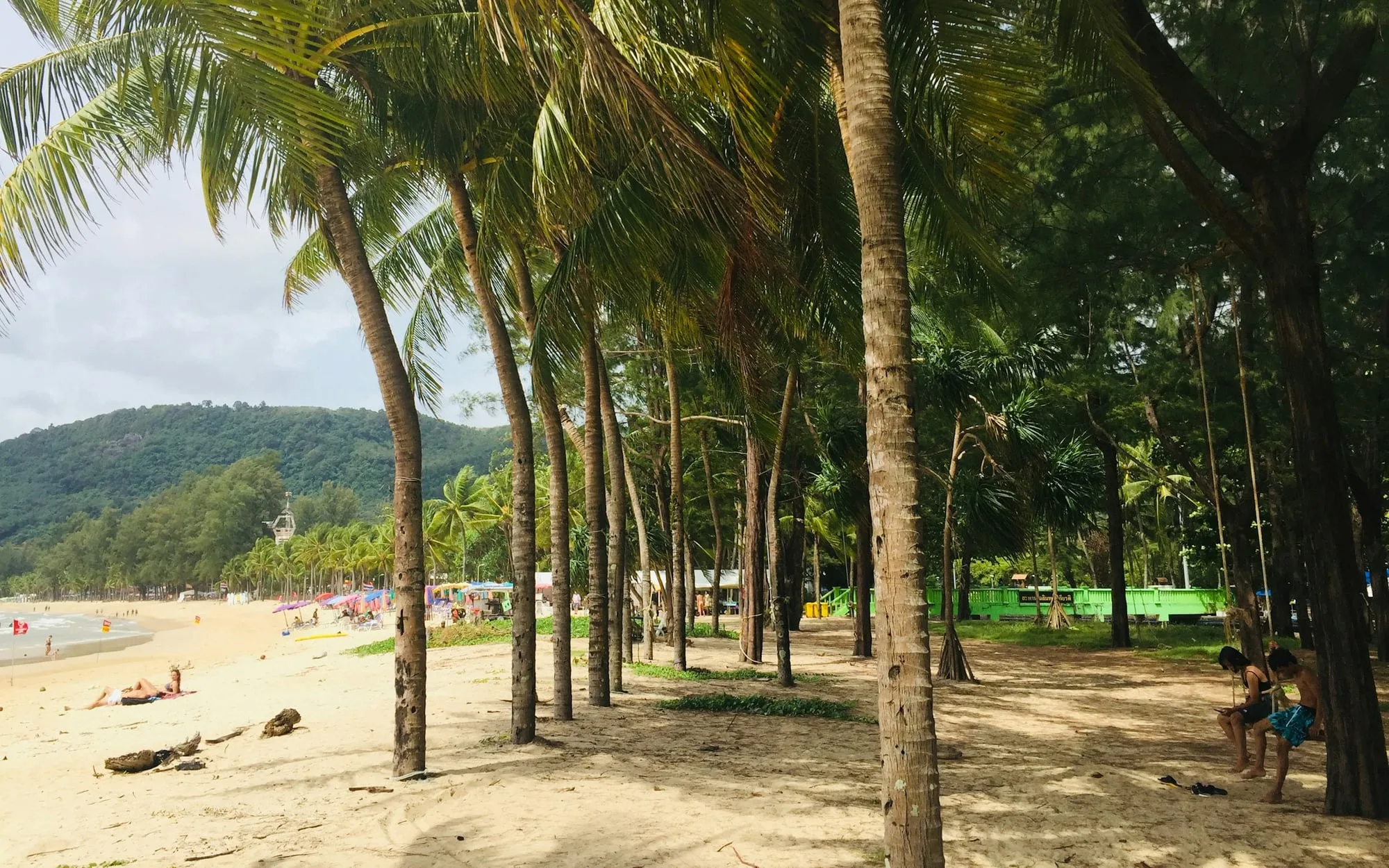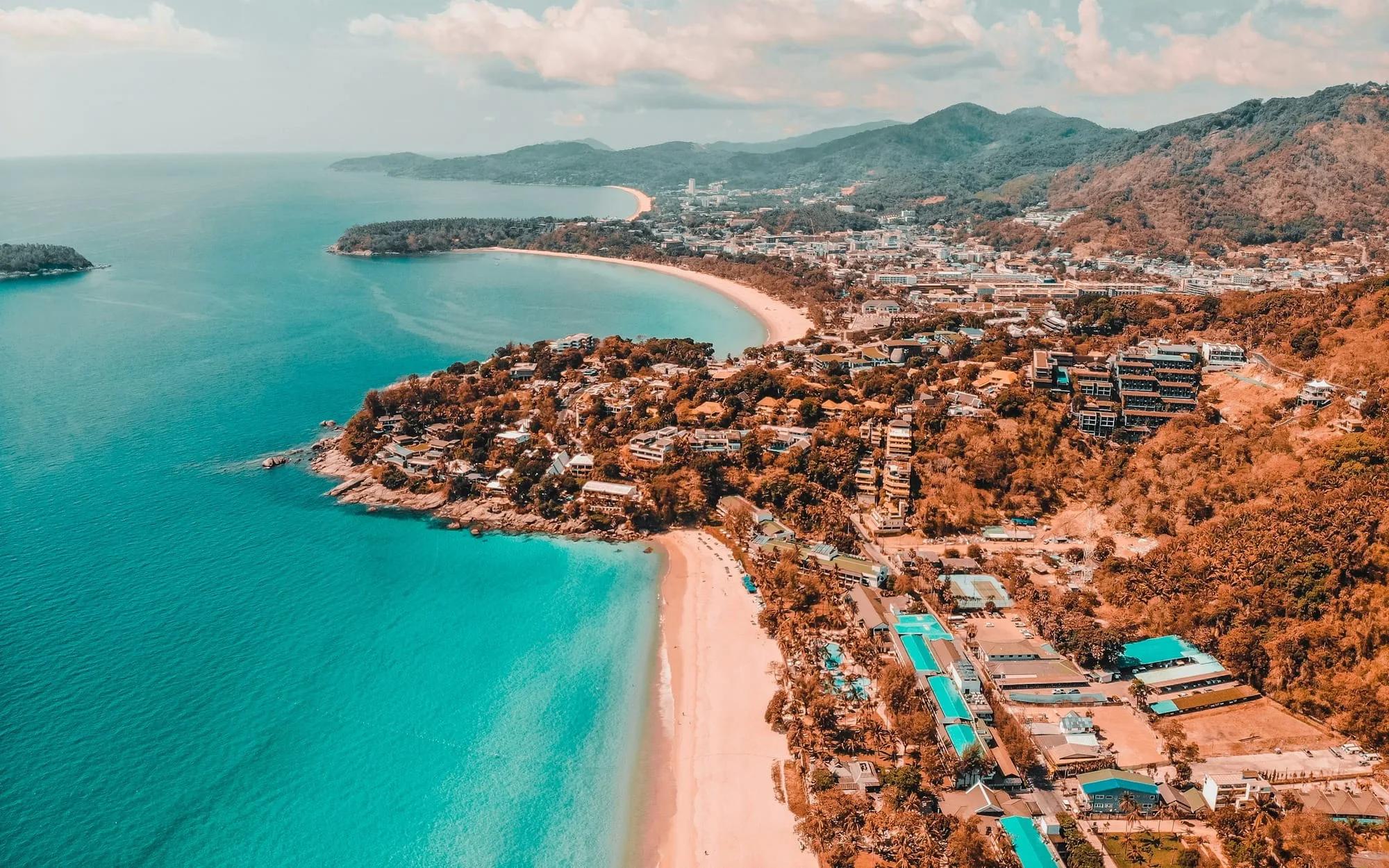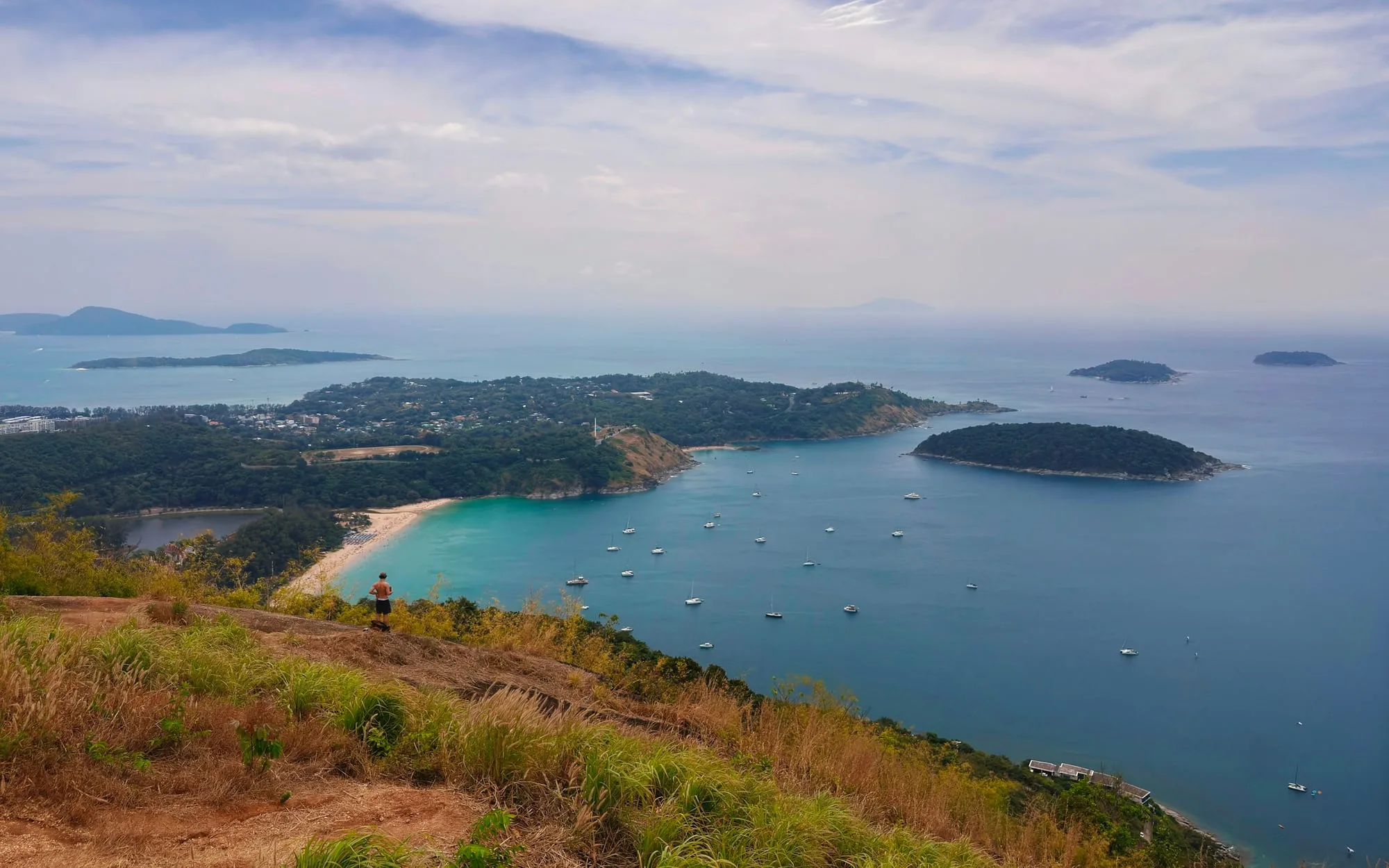
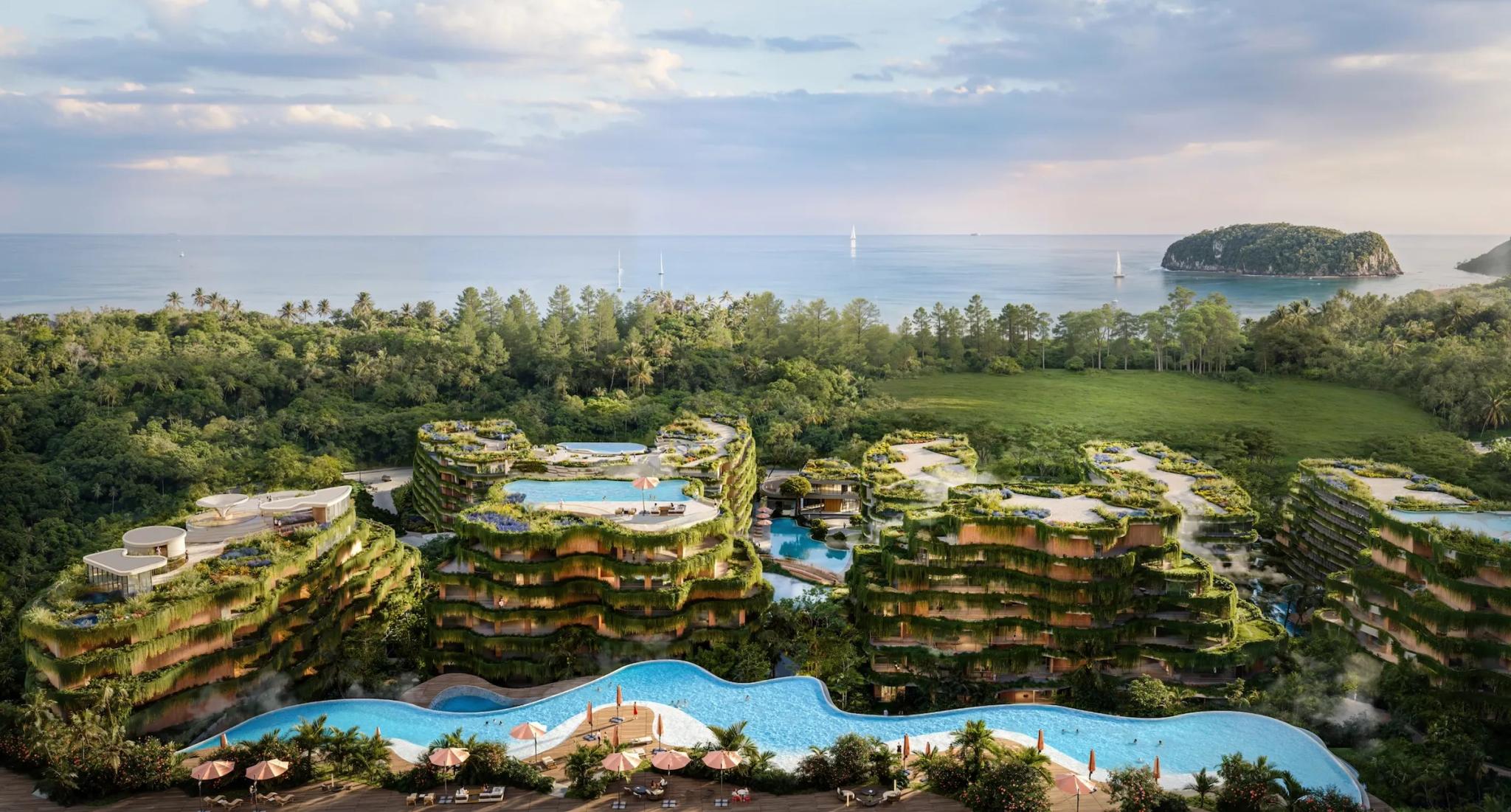
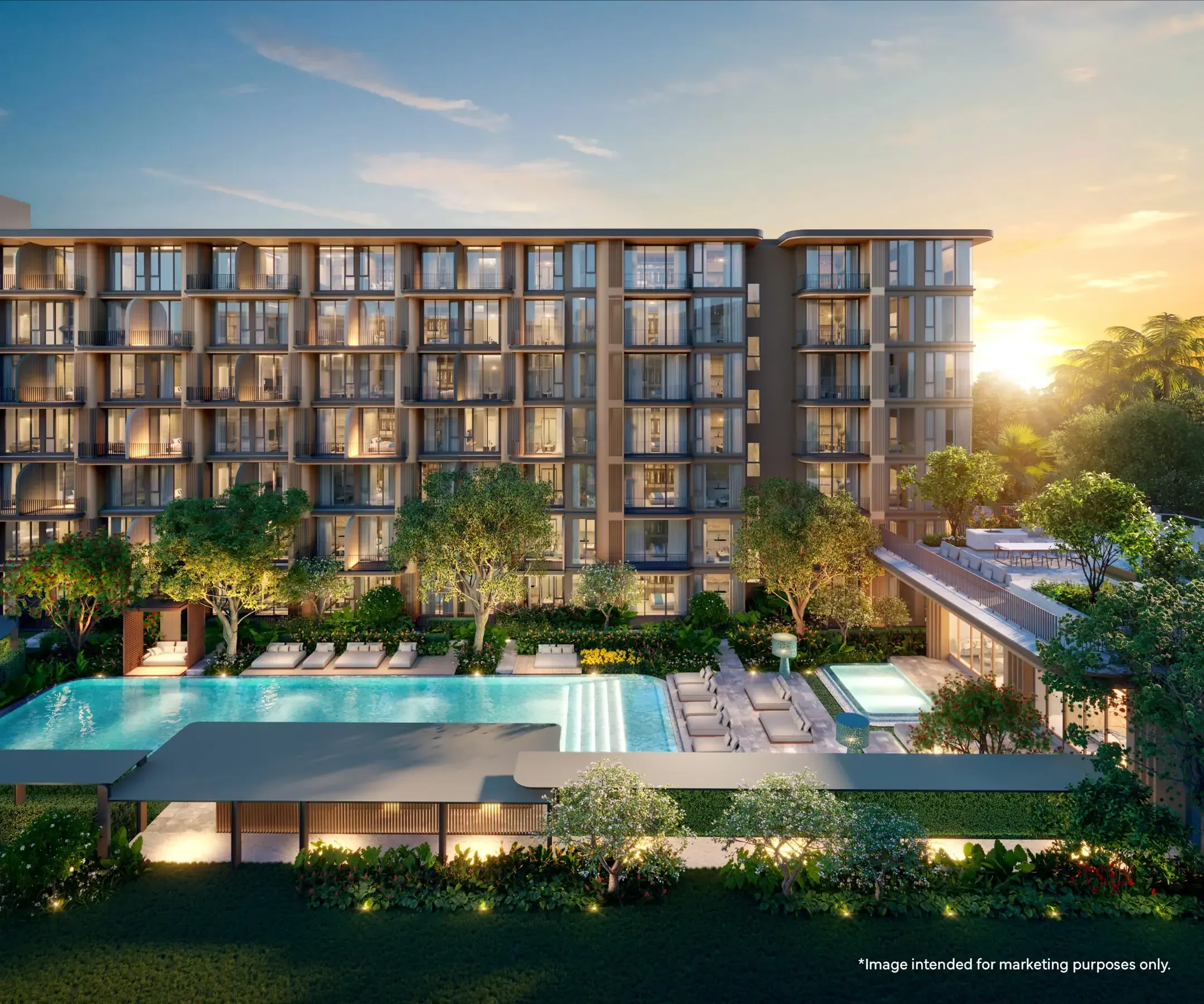
Cape Panwa suits a buyer who wants to live quietly by the sea with Phuket Town and its private hospitals about 20 minutes away. It is the headland at the south-east corner of Phuket: two small beaches at Ao Yon and Panwa, a hillside of resort estates and private villas, and the Phuket Aquarium at its tip. The airport is about 45 minutes north. Sales are few and prices vary widely between schemes, so value each home against recent transfers in the same building or estate.
What it is like to live in Cape Panwa
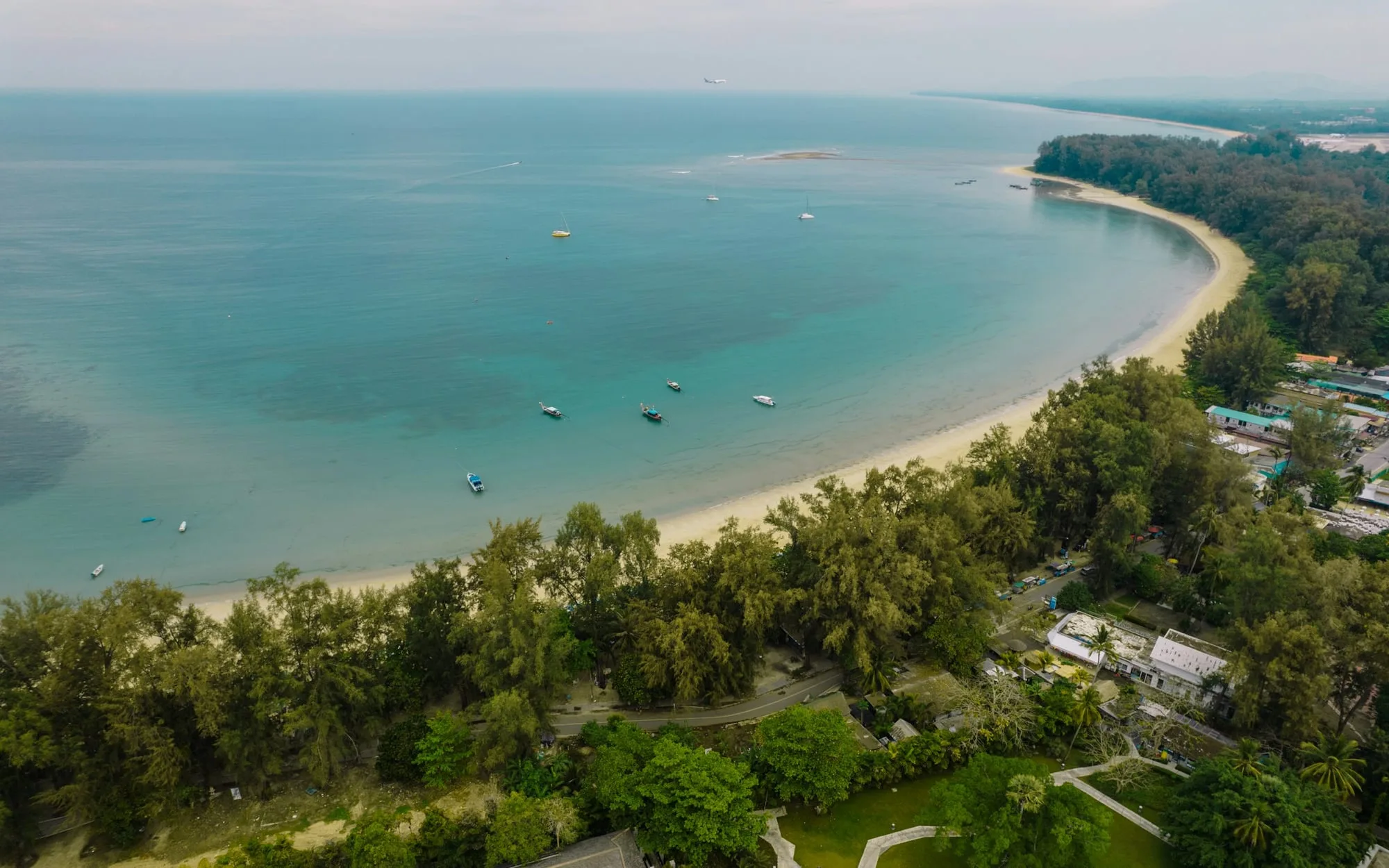
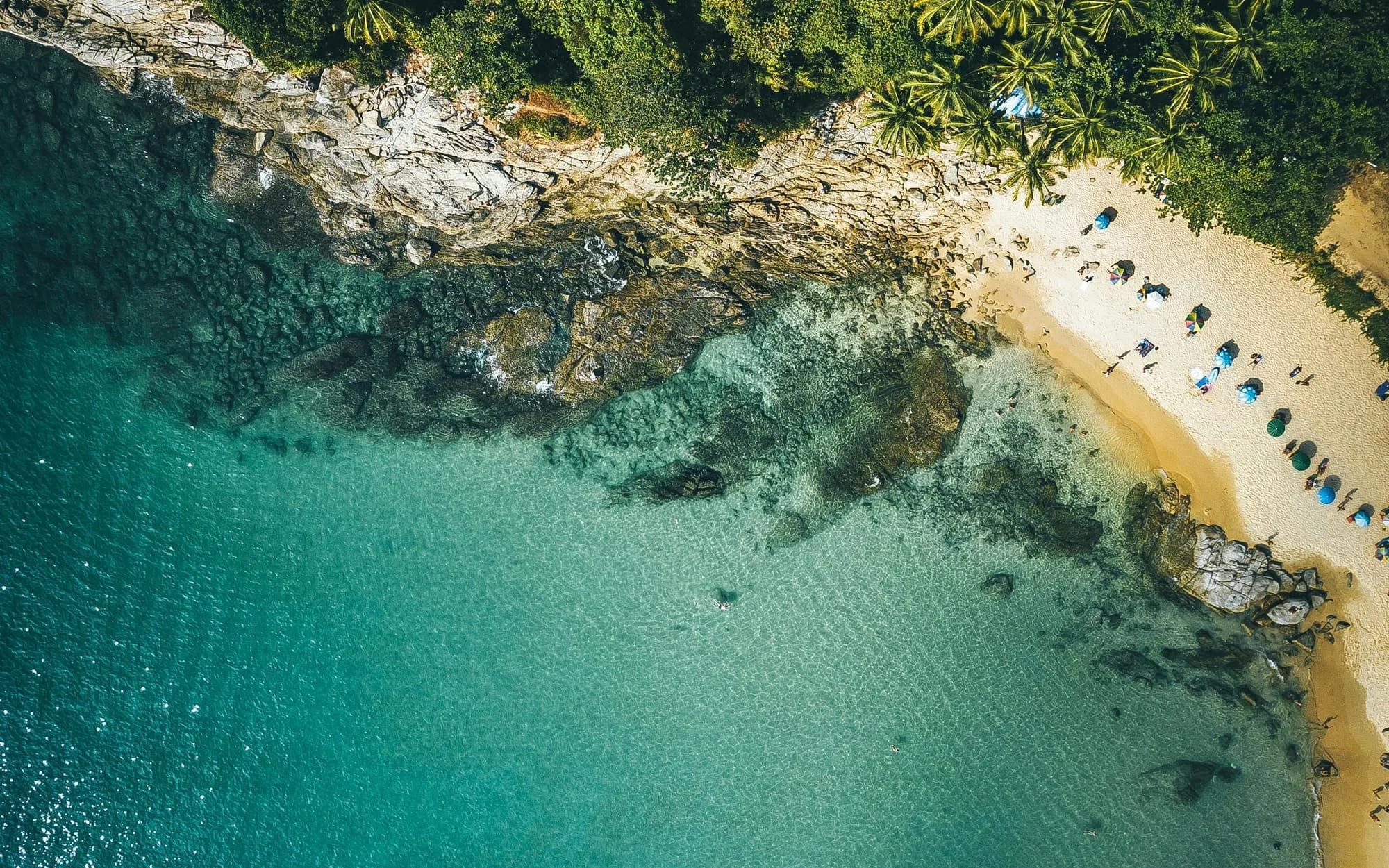
The road from Chalong runs out along the cape past the Khao Khad viewpoint to Ao Yon, a small bay, and on to Panwa Beach and the aquarium. The beaches face east and south, away from the southwest monsoon that brings surf and red flags to the west coast from May to October.
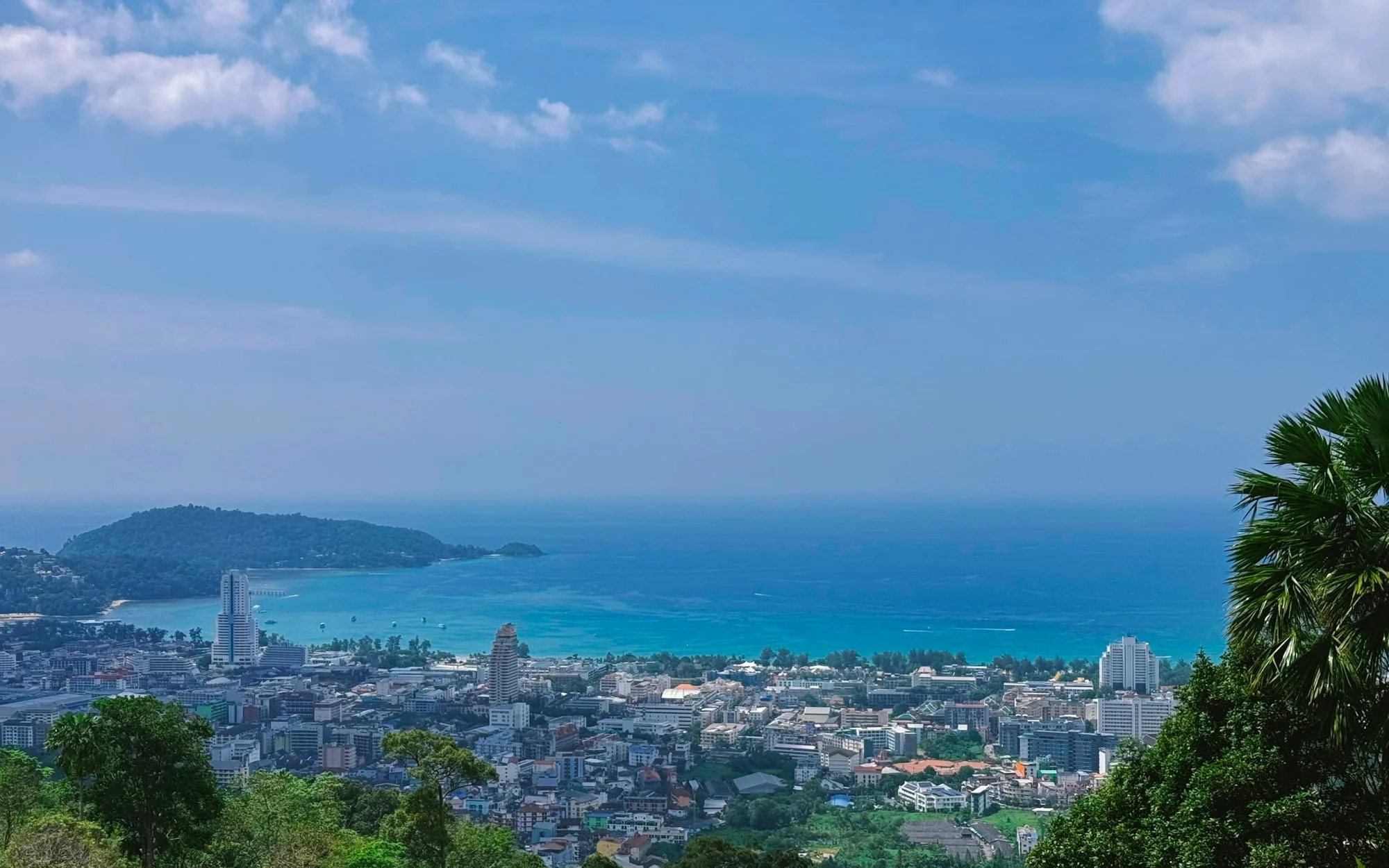
Daily life runs through Chalong and Phuket Town, a 20-minute drive away. Bangkok Hospital Phuket and the British International School are on the town side of the island: see healthcare and international schools. Chalong Pier is on the bay to the west.
Property in Cape Panwa and what it costs
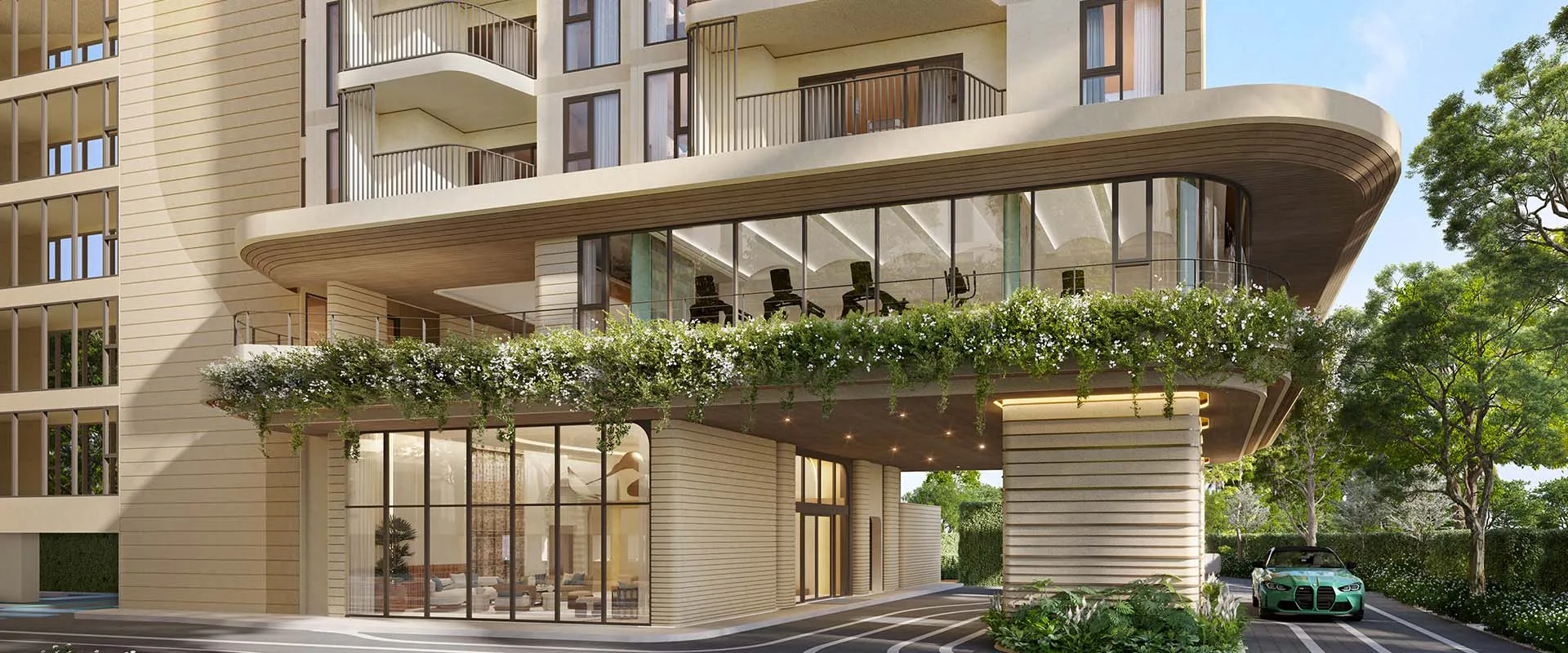
Stock is a mix of resort-linked pool-villa estates, condominium buildings and private villas on the slopes. The hilly terrain makes sites hard to develop, and large plots are scarce. At the upper end, Garden Atlas Bayview, launched in May 2026 above Ao Makham, is 15 villas of about 1,600 sqm of living space each on 16 rai.
Prices are set scheme by scheme. For reference, island-wide median asking prices were THB 144,000 per sqm for condominiums and THB 70,000 for villas in 2025, and condominiums across Phuket sold at an average of THB 125,000 to 160,000 per sqm. Ask for recorded transfers in the same scheme before agreeing a figure.
A condominium unit can be owned freehold within the foreign quota. A villa is bought on a registered lease: see freehold versus leasehold and buying a villa in Thailand.
The price and the title
The contract
Advanced: appraised value
The Land Department's appraised value is usually below the agreed price, and the transfer fee is charged on it. Ask the developer or your lawyer for the figure. 80% is a working assumption, not a rule.
The home and your own costs
Total cost of buying
฿216,000
An estimate: 1.4% of the agreed price, paid on top of it.
- Transfer fee2% of the registered value, shared equally with the seller
- ฿120,000
- Sinking fundOne-off, 600 THB per sqm
- ฿36,000
- Legal review and due diligenceIndependent lawyer, contract and title review
- ฿60,000
- Price plus costs
- ฿15,216,000
In short
Plan for ฿15,216,000 in all: the price, plus 1.4% in buying costs.
Rates reviewed on 12 November 2026. Seller-side taxes (specific business tax and withholding tax) are normally the seller’s cost, but developers sometimes pass costs on by contract, so read the payment terms. This is an estimate, not a quotation.
Send me this breakdown
Your figures by email, and an adviser to check them against the contract of a real development.
Email me the breakdown
Who buys in Cape Panwa and why
The cape suits people who live in Phuket for much of the year: families using the schools on the town side, retirees, and owners who want a sea view close to town. It is a residents' district more than a holiday-let one. If you plan to stay, look at the Long-Term Resident visa and the retirement visa early.
Rental demand in Cape Panwa
Island-wide hotel occupancy was 67.7% in the first half of 2026. Tenants look first in Cherngtalay and Rawai, so the pool of tenants here is smaller. Any rental guarantee is the developer's contractual offer: read hotel-managed and rental pool schemes and run your own case in the rental yield calculator.
Getting to and around Cape Panwa
The airport is about 45 minutes away. The route north passes through Chalong and Phuket Town, and peak-season journeys run longer. Rawai and Nai Harn are a short drive south-west. For a villa near the marinas instead, compare Cape Yamu on the east coast further north. You will need a car.
What to watch for in Cape Panwa
The airport run is the first cost. Of Phuket's main districts, only Kata, Karon, Rawai and Nai Harn are further from arrivals.
The ground is the second. On any hillside home, check the access road, retaining walls and drainage in the rains, and confirm the building permit matches what was built: see title deeds and due diligence.
Third, liquidity. With few sales, a resale can take time: read selling property and repatriating funds before you buy.