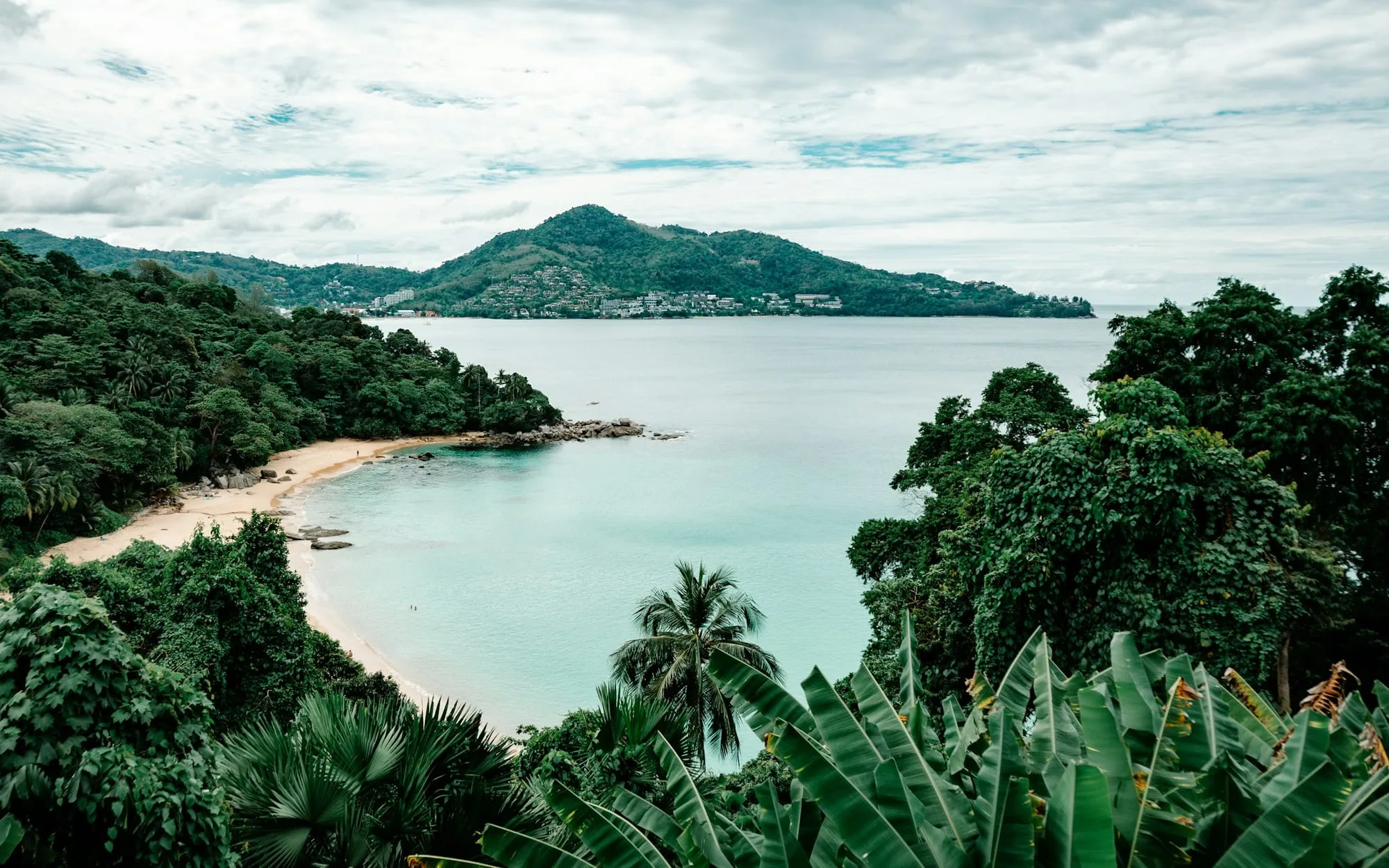
The right place to buy in Thailand depends on what the property is for. Bangkok is a city market of freehold condominiums and long lets. Phuket is the principal resort market, with the widest choice and the most new supply. Koh Samui is smaller and built around villas. Pattaya is a condominium market close to the capital. Hua Hin and Chiang Mai are places people buy to live in. The ownership rules are the same everywhere: see can foreigners buy property in Thailand.
The six markets compared
| Market | Typical buyer | Typical tenure | Price level | Rental model | Access |
|---|---|---|---|---|---|
| Phuket | Second-home owners and investors, mostly foreign | Freehold condominiums, leasehold villas | Condominiums THB 125,000 to 160,000 per sqm, higher in Bang Tao | Holiday lets through licensed programmes, monthly lets | International airport on the island |
| Bangkok | Residents, expatriates, Asian investors | Freehold condominiums | About THB 236,800 per sqm in the centre, THB 123,500 in the fringe | Long lets to residents | Two international airports |
| Koh Samui | Villa buyers seeking a quieter island | Leasehold villas, some condominiums | Varies by estate | Holiday villa rental | Island airport and ferries |
| Pattaya | Investors and long-stay residents | Freehold condominiums | Varies by building | Long stays, hotel-residence programmes | About two hours by road from Bangkok |
| Hua Hin | Retirees and weekend-home owners | Leasehold houses, freehold condominiums | Varies by building | Seasonal monthly lets | Road and rail from Bangkok |
| Chiang Mai | Long-stay residents and retirees | Freehold condominiums, leasehold houses | Varies by building | Long lets | International airport in the city |
In the smaller markets, prices swing widely between buildings. Ask for recent Land Office transfer prices in the building or estate you are considering.
What matters to you
Narrow it down
Find your part of Thailand
Choose what matters, and your shortlist appears here.
Mark at least one thing as nice to have or essential. We rank 42 areas across 7 regions against it and show the closest three.
What you will see
- Each area scored from 0 to 5 on ten things, from beaches to value
- Entry prices per square metre for each area
- Drive time to the nearest airport
Phuket
Phuket is Thailand's principal resort property market and the one most dependent on foreign demand. In the first half of 2026, 67% of buyers were foreign, with British, Russian, Canadian, Indian and American buyers prominent.
The choice is wide. In September 2026 there were 45,027 residential units for sale across 403 projects. Condominiums make up 83%, and 39% of all units are in Bang Tao and Cherngtalay. Condominium prices across the island generally ran from THB 125,000 to 160,000 per sqm in June 2026, with averages of THB 283,975 in Bang Tao, THB 197,000 in Layan and THB 182,375 in Kamala.
Access is the island's strength: Phuket International Airport handled 8.76 million passenger arrivals in 2025. Its weaknesses are seasonality and supply. January and February accounted for 43.4% of air arrivals in the first half of 2026, and June for 10.8%. A further 28,211 condominium units are in the pipeline, so oversupply is a real risk. See our report on the Phuket property market in 2026.
Bangkok
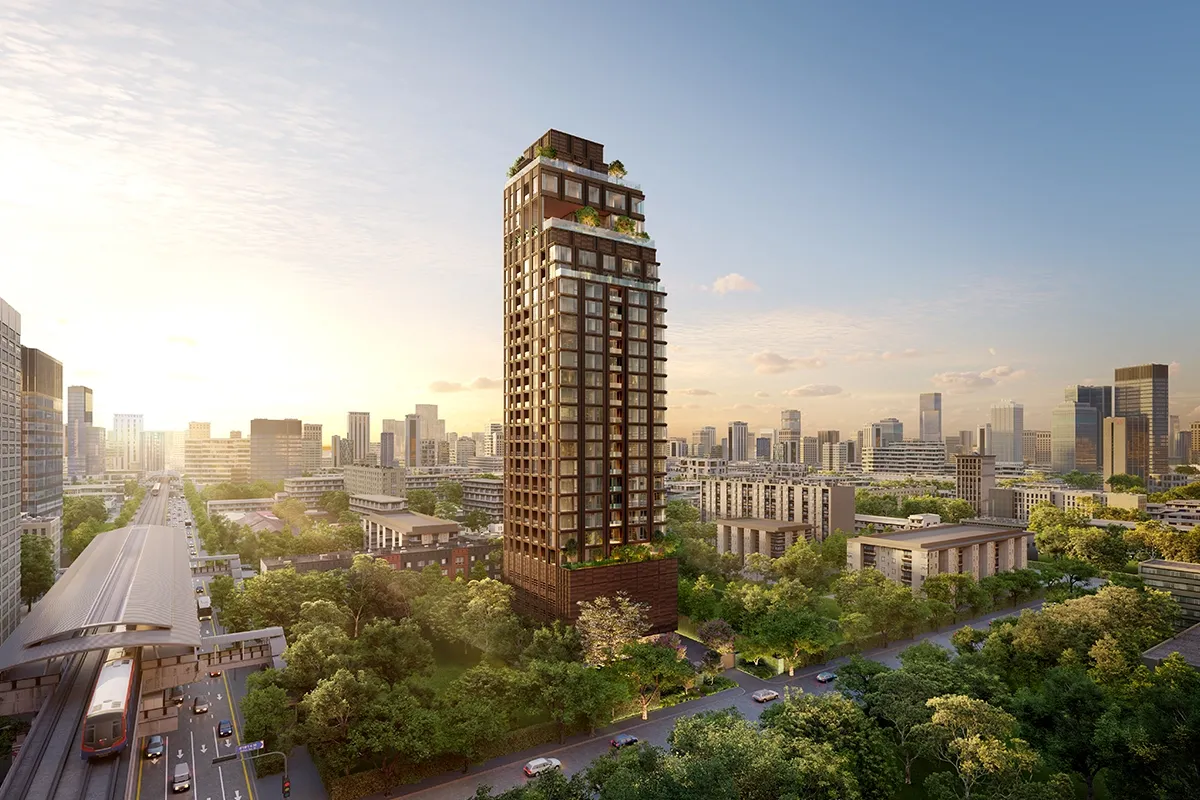
Bangkok is where most foreign purchases happen: nearly half of all condominium transfers to foreigners in 2025. The product is the freehold condominium near a mass-transit line in Sukhumvit, Thonglor and Ekkamai, Sathorn and Silom or Lumpini and Ploenchit.
In the first quarter of 2026, average asking prices were about THB 236,800 per sqm in the central business district, THB 123,500 in the city fringe and THB 71,200 in the suburbs. At the upper end, high-end units under construction downtown were priced at THB 332,619 per sqm in the fourth quarter of 2025. These are asking prices, so negotiate from them.
The rental market is the long let to people who live and work in the city, which avoids the short-term rental rules altogether. Luxury condominiums in central Bangkok yielded about 5.4% gross in mid 2026. The caution is stock: about 350,000 units remain unsold across the wider market, five to six years of sales at the current pace. Buy for location and building quality, and negotiate. See the Bangkok condominium market in 2026.
Koh Samui
Samui is a smaller island market led by villas. In June 2025 the primary market was worth THB 30.3 billion: 2,882 units across 117 projects, about 70% of them in Bophut, with growth spreading to Maenam.
Most buyers take a villa on a registered lease and let it to holidaymakers when they are away. Rising supply is already pressing on that model: the stock of independent rental villas grew 34% in a year, and the average nightly rate in the first quarter of 2025 fell 11% to THB 13,012, while occupancy rose to 71.5%. Samui suits a buyer who wants the island for itself and treats rent as a contribution to costs. Read buying a villa in Thailand before viewing.
Pattaya
Pattaya and the surrounding Chon Buri coast took more than a quarter of foreign condominium transfers in 2025, second only to Bangkok. The product is the freehold condominium in Wongamat, Pratumnak or Jomtien, bought by long-stay residents and investors, with Chinese and Russian buyers prominent.
The city is about two hours from Bangkok by road, and 82% of its visitors arrive by private vehicle. That proximity brings a strong domestic weekend market. It also means international access depends on Bangkok's airports until planned expansion at U-Tapao is delivered. In October 2026, 3,848 hotel-residence units in five projects were in the pipeline, which will add managed rental stock from 2027.
Hua Hin
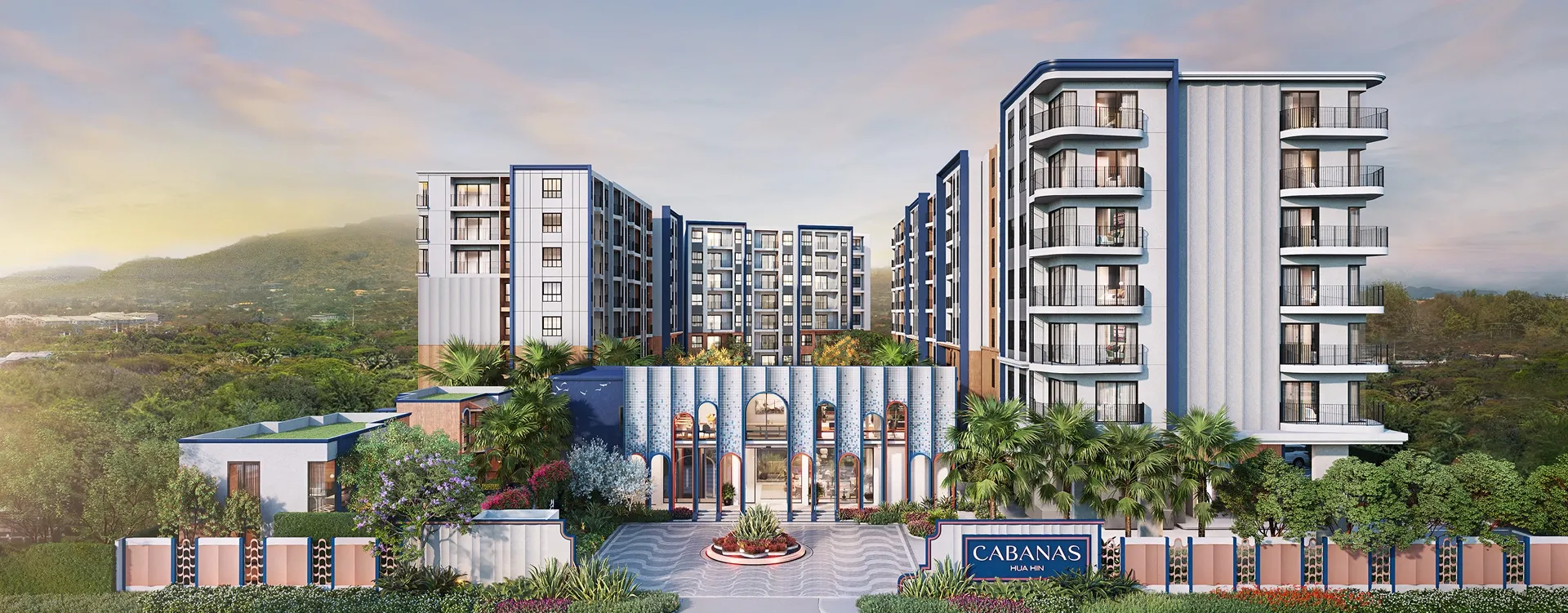
Hua Hin is a Gulf coast resort town reached by road and rail from Bangkok, long favoured by Thai weekenders and by retirees. Buyers here are mostly end users: houses and pool villas on leased land, and condominiums near the beach. Demand for monthly winter lets exists, but this is not a market to buy for nightly rental. The court cases that established the 30-day rule in practice were brought against condominium hosts in Hua Hin in 2018.
Chiang Mai
Chiang Mai is the northern alternative: an inland city with an international airport, universities and hospitals, and a cooler season. Foreigners buy condominiums to live in or to let long term, and lease houses outside the old city. The main drawback is seasonal smoke haze in the early months of the year, which affects both living there and letting. See climate and seasons.
How to choose
- Purpose. A home you will use for months each year, or an asset you will rarely see? The answer points to end-user markets or to managed rental stock.
- Tenure. If only freehold will do, you are buying a condominium. See freehold vs leasehold.
- Income model. Long lets in Bangkok, licensed holiday programmes in the resorts. Compare them using rental yields in Thailand.
- Season. Check when you will be there against the weather with our seasons tool.
- Access. Count door-to-door travel time from home, including connections. See flights and getting around.
- Exit. Ask who the next buyer is. Bangkok records the most transfers to foreigners. Resort resale depends on foreign demand.
Every market above carries its own risk: stock in Bangkok, supply and seasonality in Phuket, thinner liquidity elsewhere. Visit before you buy, and take independent legal advice on the specific property.
Down to two places? Compare them side by side. For every district's price per square metre on one page, see property prices by area.