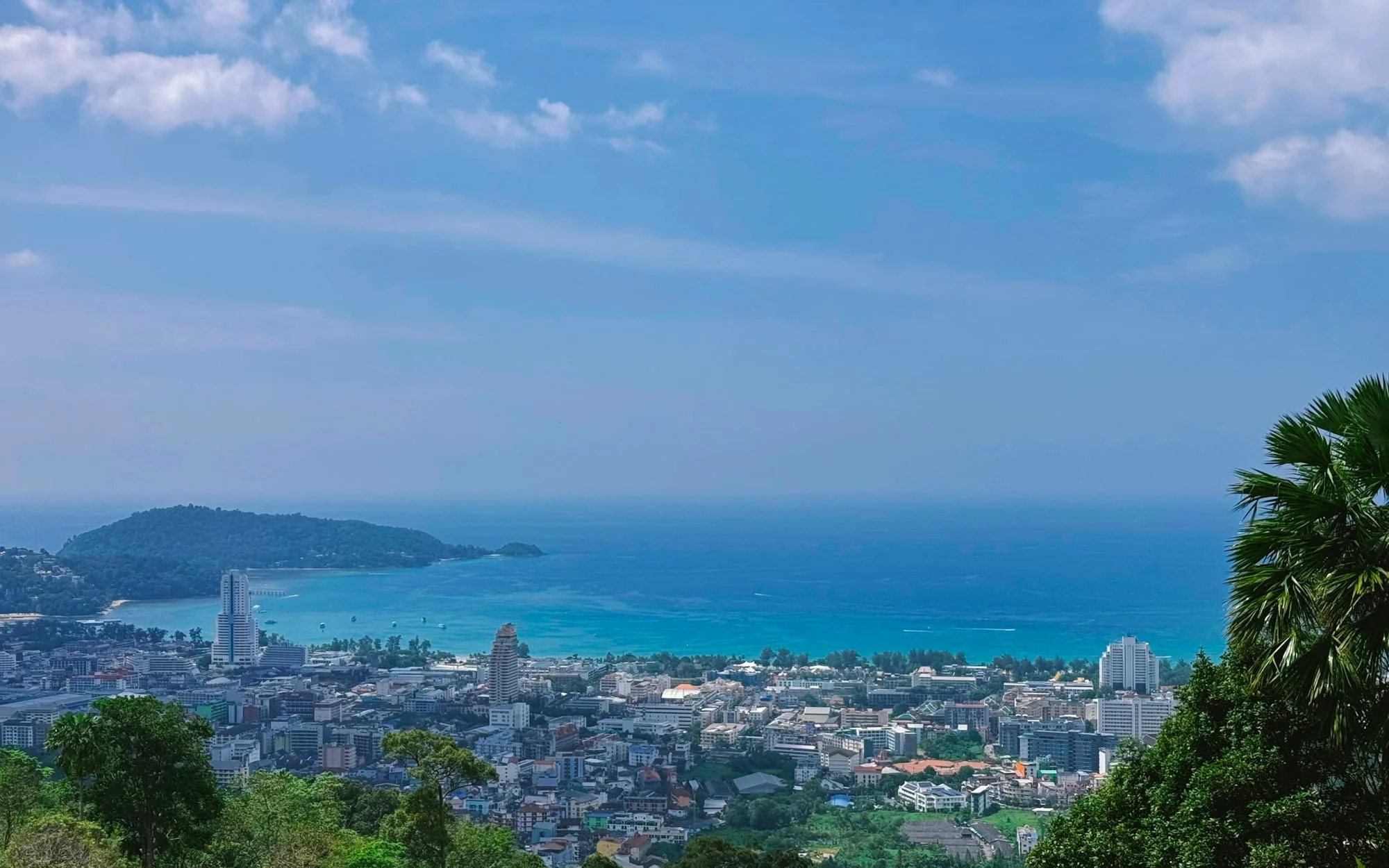
Two sides of one hill
Patong and Kamala are neighbouring bays, divided by a steep hill road, and each is 45 minutes from the airport. In Patong almost everything is within walking distance: the beach, supermarkets, gyms, banks, restaurants of every kind and a government hospital. The price is the noise. Bangla Road runs late, the sand is busy from November to April, and the traffic is slow for most of the high season.
Kamala's centre is low-rise and local, with small restaurants, a market and a mosque on the flat ground behind the beach. Its evenings are calm by west-coast standards, and when you want Patong, it is over the hill.
What you are buying
Patong is a condominium market led by short-term rental investors, and much of the resale stock is older and small, and studios make up a large share of what tenants ask for. On a resale, ask for the juristic person's accounts and the sinking fund balance. A new unit costs more than a resale: across the island, non-branded condominiums sold at THB 139,000 per sqm new in early 2025, against THB 100,000 on resale.
Kamala's stock is sea-view condominiums on the slopes and villas on the headlands. The local risk is the hillside: ask for the building permit, the engineer's report on slope and retaining works, and the maintenance budget. See title deeds and due diligence.
The licence comes first
Most buyers in Patong plan to let by the night, and much of Kamala's stock is built for holiday letting. A let of under 30 days needs a hotel licence, which most condominiums do not have. Ask to see the licence itself, not a promise of one, and read short-term rental rules. Both bays face the southwest monsoon, with surf and red flags on many days from May to October, and in Patong lower nightly rates with them.